




Landmark
740 m
Historical
Easy
VISITOR INFORMATION
📍 Location - Lori Province, about 5-7 km northwest of Akhtala, on the upper section of the road to Pokr Ayrum, approximately 187 km north of Yerevan.
🌐 Coordinates - 41.177° N, 44.740° E
🕰️ Period - Built between 1898-1905
🌿 Best time to visit - Spring and autumn, when the castle is embraced by lush greenery and autumn colors paint the landscape.
🛤️ How to get there - From Yerevan, follow the highway through Vanadzor and Alaverdi towards Akhtala. The castle is located on the road leading to Pokr Ayrum (about 10 minutes by car from Akhtala).
OVERVIEW
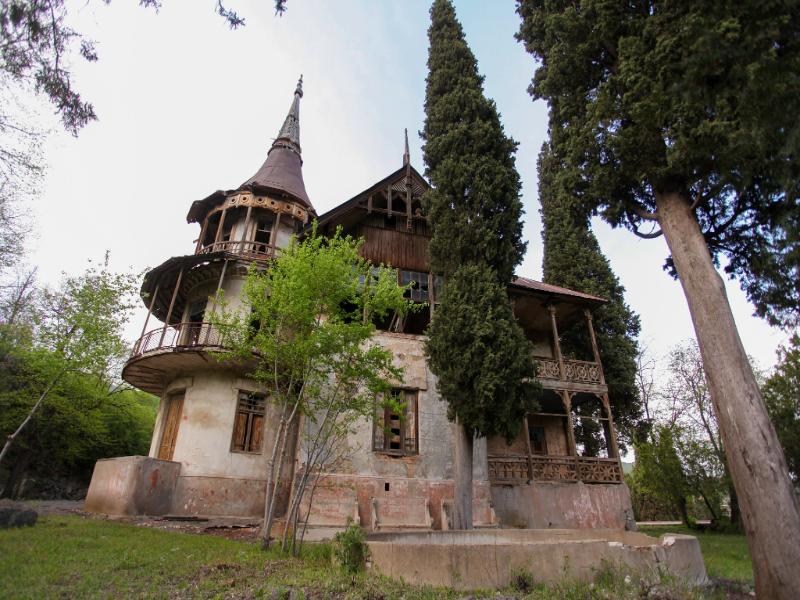
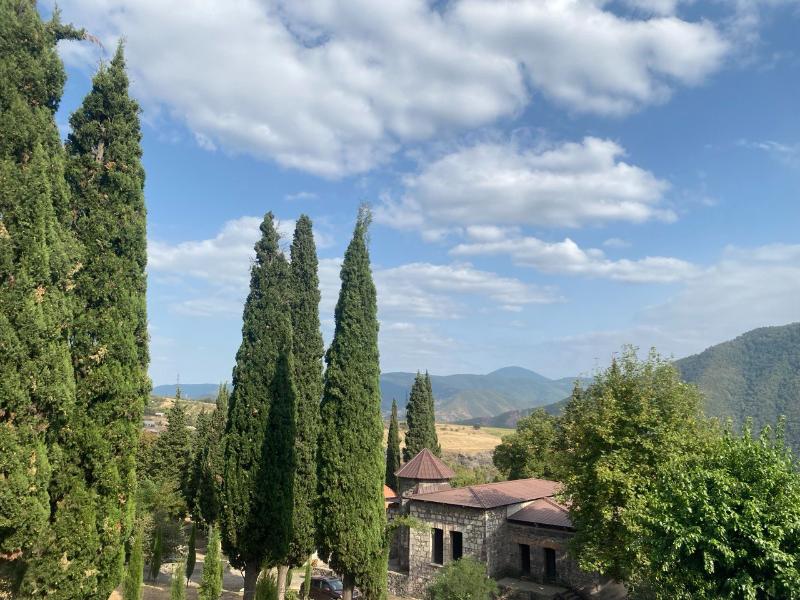
Aramyants Castle is one of Lori’s most beautiful and historically significant monuments. Built in the Swiss chalet style, it is among the rare surviving castles in Armenia. Once a luxurious summer residence, it also became a place of great national importance - the Declaration of the First Republic of Armenia was adopted here.
ETYMOLOGY
The castle is named after its owner, Mikael Aramyants - a famous Armenian magnate, philanthropist, and industrialist. Aramyants was a key public figure of his time, remembered for his investments and charity projects in both Armenia and Georgia.
HISTORY
Construction of the castle began in 1898 on the land that once belonged to Georgian Prince Baratov. Forced to sell them due to debts, he transferred the estate to Mikael Aramyants, who decided to build the residence for his daughter suffering from tuberculosis. Akhtala was believed to have the purest and most healing climate in the Caucasus. Through the years, the castle welcomed many notable figures, including poet Hovhannes Tumanyan, Catholicos Khrimyan Hayrik, opera singer Fyodor Chaliapin, theater director Vsevolod Meyerhold, and Lithuanian poet Eduardas Meželaitis.
ARCHITECTURE
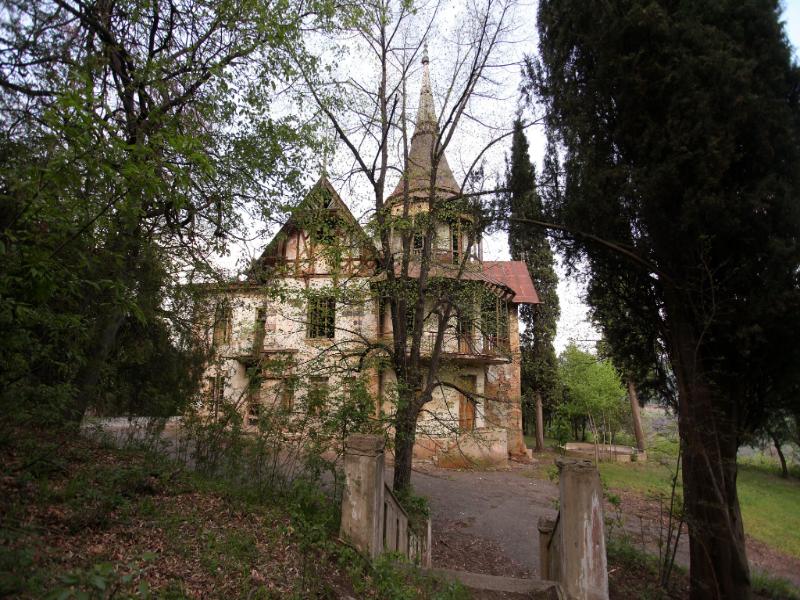
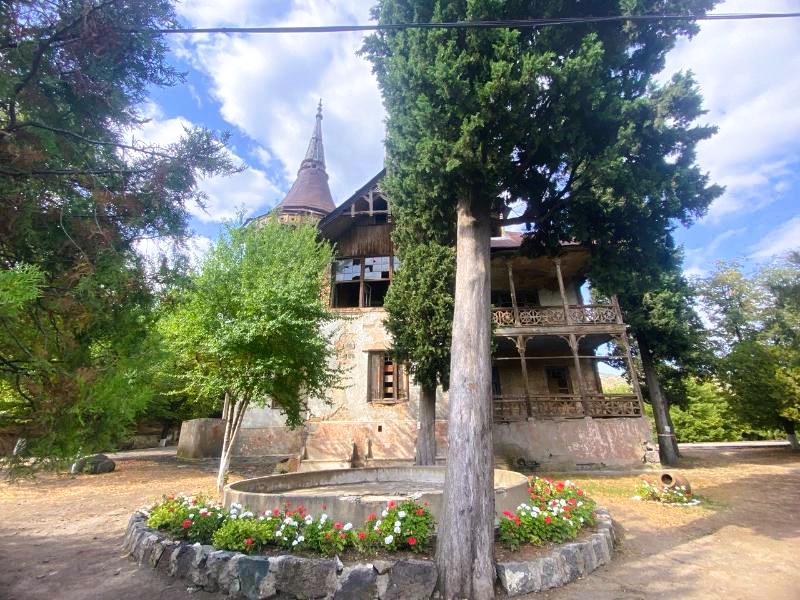
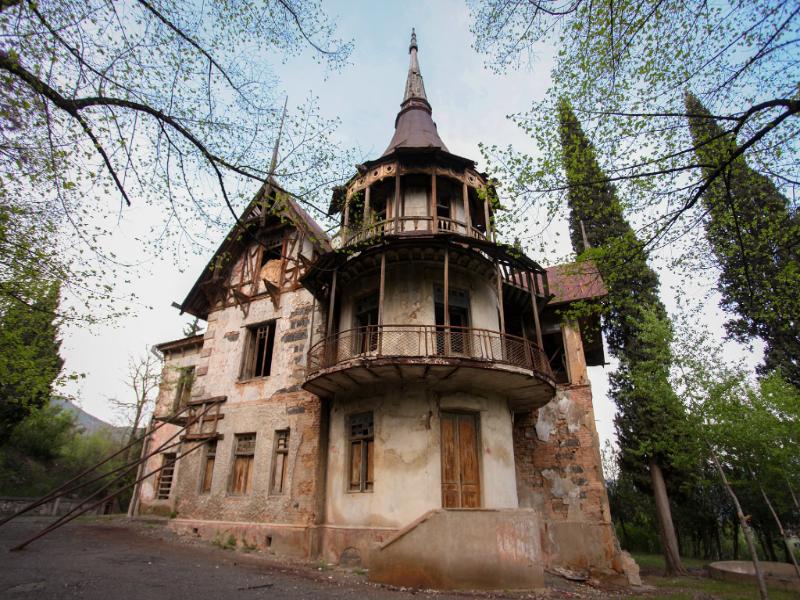
Aramyants Castle was built in the Swiss chalet style, which is considered a unique architectural solution in Armenia. The exterior design of the building differs both from traditional medieval Armenian structures and from the typical constructions of the Tsarist period, resembling instead the summer residences of the European Alps.
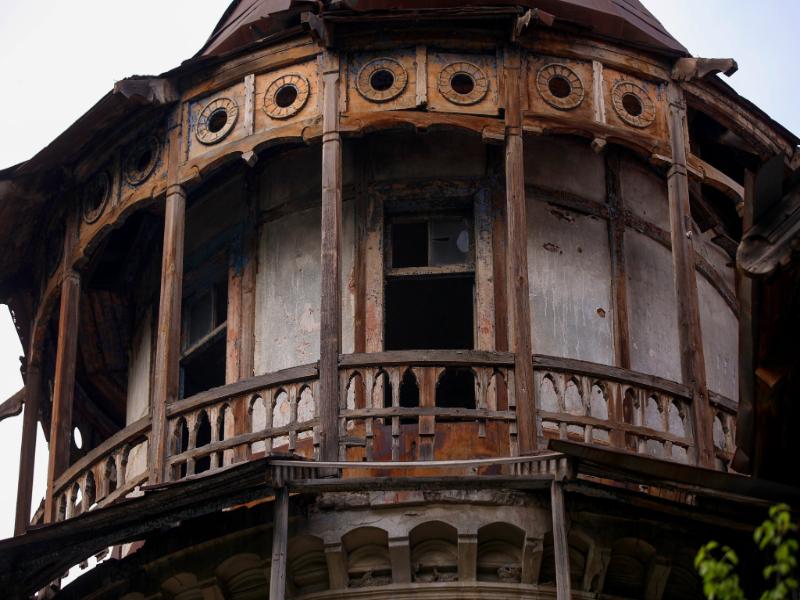
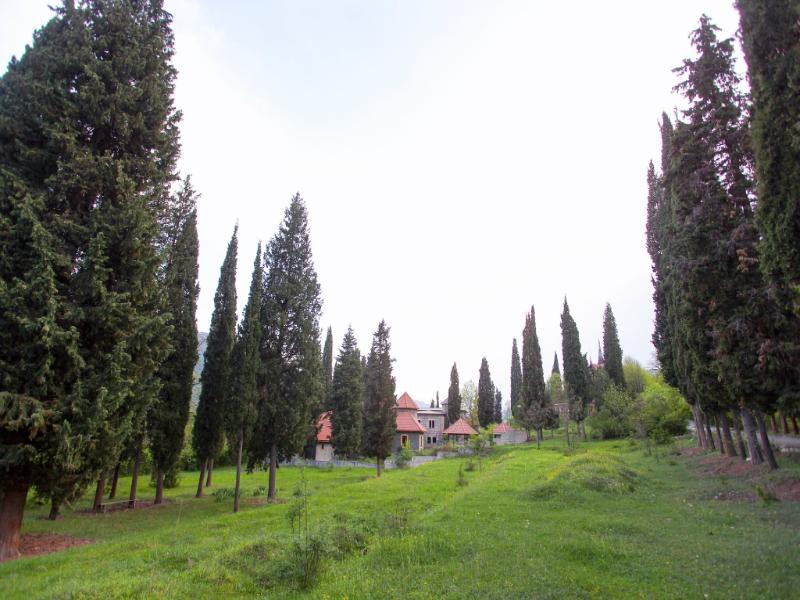
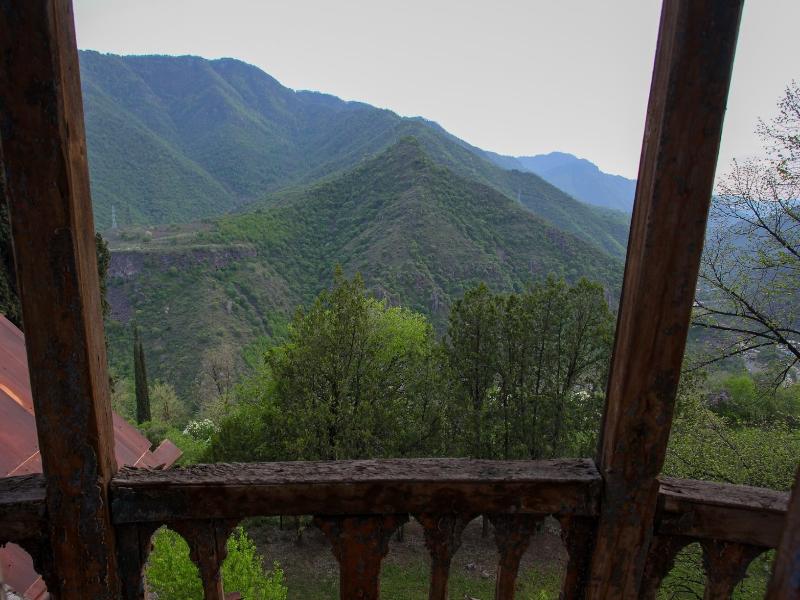
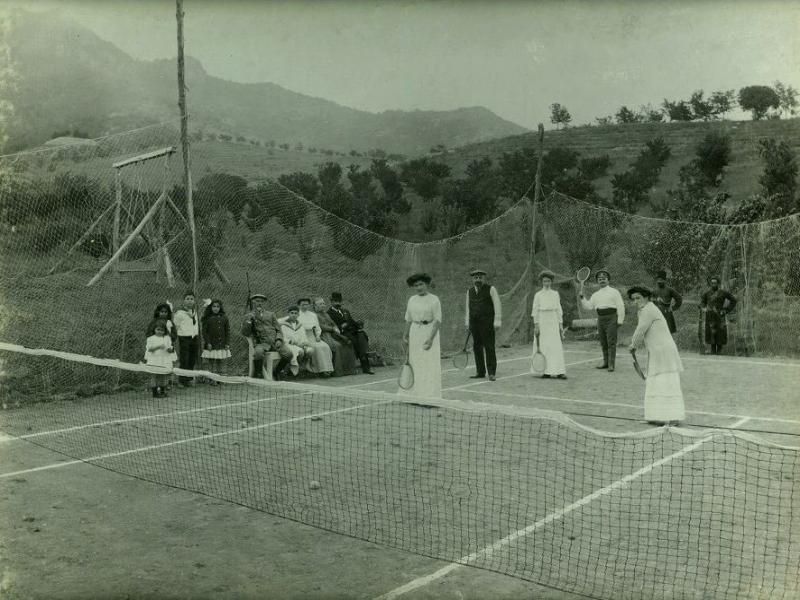
The castle is two-storied, with a high roof and wide balconies. It was built from rough-hewn stone and brick, which provided strength and resistance to the climate. The wooden balconies and colonnades gave the castle a distinctive elegance. The main façade is rich in decorative elements: balconies with wooden carvings, spacious windows, and opening casements designed to let the pure mountain air inside. The roof, covered with slanted tin plates, recalls the roofs of Swiss mountain houses. The interior halls stood out with their large dimensions, high ceilings, and European-style furnishings. Records indicate that the castle once featured marble fireplaces, finely crafted wooden staircases, and unique gypsum decorations. The castle was surrounded by a vast garden where not only local but also exotic imported plants were cultivated. The garden had specially designed walkways and benches, and it was here that Armenia’s very first tennis court was located. Almost no similar castles have survived in Armenia. Apart from the Tayirov Mansion in Vanadzor, Aramyants Castle is one of the only complete examples testifying to the tastes and architectural preferences of the Armenian elite of the 19th-20th centuries.
Today, although the castle stands in a semi-ruined state, its architectural value remains exceptional: it is a unique example of how European style was harmonized with the Armenian mountain environment, creating a picturesque and historically significant structure.
PRESERVATION AND RESTORATION
Aramyants Castle, being one of the few surviving castles in Armenia over the decades has repeatedly suffered from neglect and the natural destructive effects of time: the wooden balconies and roof are damaged, and very little of the interior decoration has been preserved.
On December 15, 2016, by decision of the Government of Armenia, the castle was included in the State Register of Immovable Historical and Cultural Monuments and was granted the status of a cultural heritage site, an important step for its legal protection. Nevertheless, large-scale restoration programs have not yet been carried out.
Local and international experts note that the restoration of the castle would not only preserve its exceptional architectural and historical heritage, but also make it possible to turn it into a new center of cultural life: festivals, exhibitions, theatrical performances, and educational programs could be organized here. After its restoration, the castle could become one of the main tourist centers of the region, stimulating the socio-economic development of Lori Province.
TOURISM
Aramyants Castle is a place where history, culture, and nature meet. Visitors can admire its rare architecture, stand on the site where the First Republic of Armenia was declared, stroll through the gardens, and enjoy Akhtala’s fresh and healing climate.
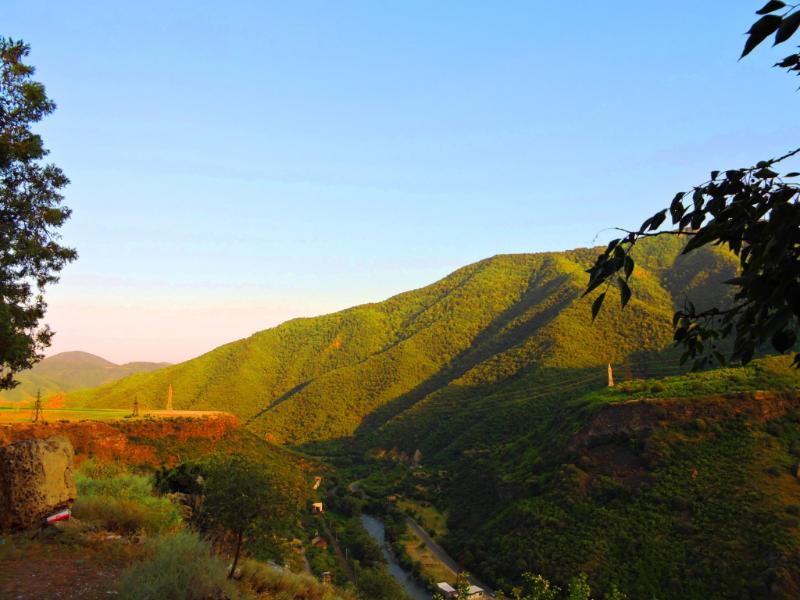
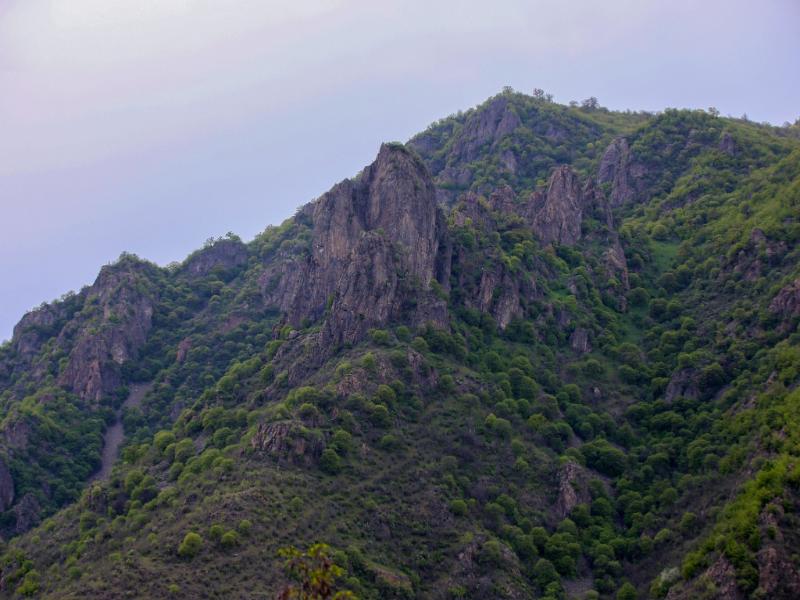
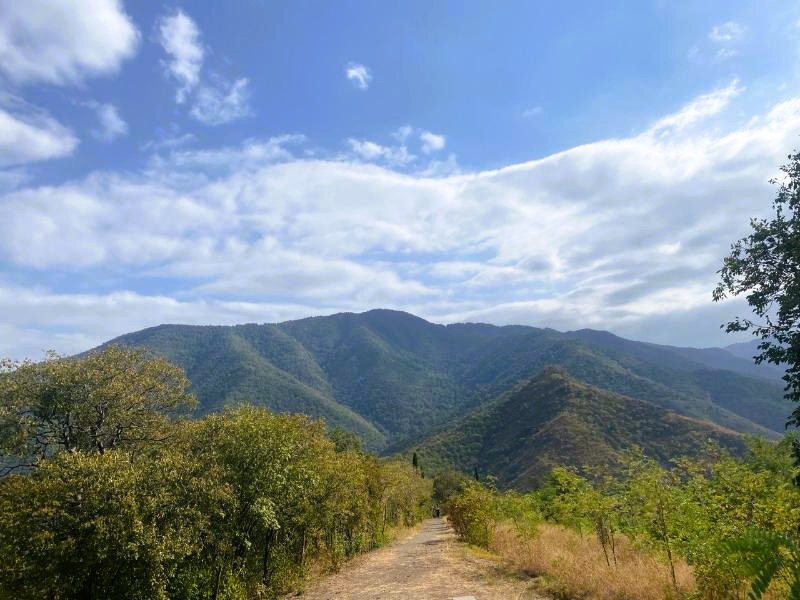
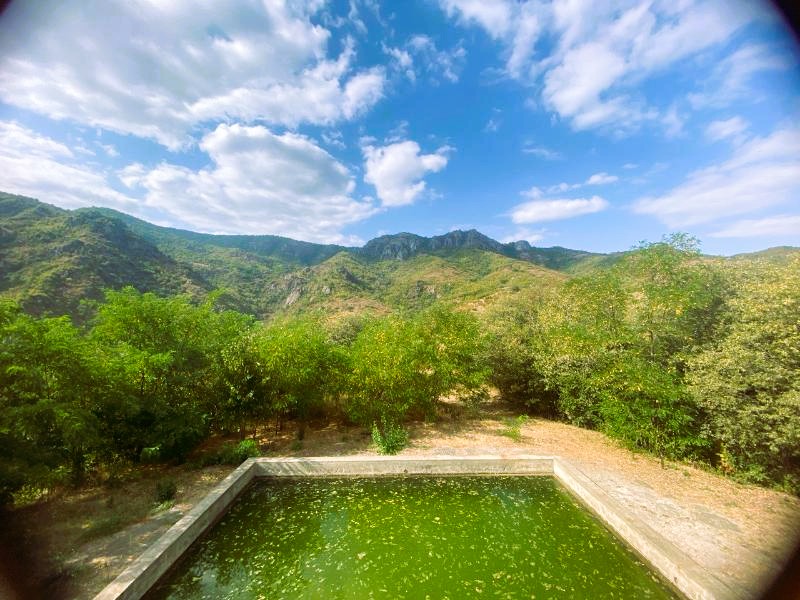
The castle is best visited as part of a regional route with Akhtala Monastery and the UNESCO World Heritage Sites of Haghpat and Sanahin. Surrounded by scenic mountain views, it is also a favorite spot for eco-tourism and photography tours.
LOCAL LEGENDS
Locals say the air of Akhtala once saved many lives, and it was for this reason that Mikael Aramyants built the residence here for his daughter’s health. According to stories, the castle gardens once hosted lavish gatherings of the Caucasus’s cultural and political elite-memories that still linger in its atmosphere.
Just a short drive from the castle, this 10th-century fortress-monastery is renowned for its remarkable frescoes and fortified walls. It is one of Armenia’s finest examples of medieval art and spiritual heritage.
A masterpiece of Armenian medieval architecture, founded in the 10th century. Haghpat’s complex of churches, libraries, and khachkars represents Armenia’s Golden Age of learning and culture.
Often paired with Haghpat, Sanahin was a major center of education and manuscript production. Its peaceful setting and historic atmosphere make it a favorite for visitors.
Kobayr Monastery – Approximately 32 km away
A hidden gem tucked into the cliffs of the Debed Canyon, founded in the 12th century. The ruins and surviving frescoes create a mysterious and atmospheric stop for adventurous travelers.
One of the largest and oldest basilicas in Armenia, dating back to the 5th–7th centuries. Famous for its unique funerary monument and breathtaking views over the Debed Gorge.
A hidden gem tucked into the cliffs of the Debed Canyon, founded in the 12th century. The ruins and surviving frescoes create a mysterious and atmospheric stop for adventurous travelers.
✓ Duration: Unlimited
✓ Basic contact information:
✓ Limited filters
✓ Newsletter updates
✓ Duration: 6 months
✓ Includes detailed profile:
✓ Newsletter updates
✓ Extended filters
AMD 40,000
✓ Duration: 12 months
✓ Includes detailed profile:
✓ Newsletter updates
✓ Extended filters
✓ 20% discount on first year
AMD 75,000
LIABILITY NOTICE FOR THE ARMENIAN TRAVEL DIRECTORY WEBSITE
“Armenian Travel Directory” provides a platform for businesses related to tourism, including hotels, tour agencies, and guides, to list their services. The information on this website is provided by third-party advertisers, and Armenian Travel Directory does not carry the responsibility for the quality of services or the content provided on the site.
Armenian Travel Directory is not responsible for any direct, indirect, incidental, or consequential damages arising from the use of, or inability to use, the services and content on this website. The company does not guarantee the availability, quality, safety, legality, or suitability of any business or service listed on the website. Users interact with advertisers at their own risk.
Advertisers are solely responsible for the accuracy of the information they provide, including descriptions, images, and other content related to their business listings.Any disputes, claims, or legal issues related to the services or businesses listed on the Armenian Travel Directory must be resolved directly between the user and the advertiser. The platform does not mediate disputes and bears no responsibility for resolving such issues.
“Armenian Travel Directory” may contain links to external websites that are not operated or controlled by the company. The inclusion of such links does not imply endorsement. The company is not responsible for the content, privacy policies, or practices of any third-party websites.
Armenian Travel Directory reserves the right to change, update, or remove content from the website at any time without prior notice. Advertisers are encouraged to regularly check the website for the latest information and updates.
Users and advertisers are required to comply with all applicable laws and regulations when using the website. Armenian Travel Directory is not responsible for any violations committed by users or advertisers, including but not limited to fraud, misrepresentation, or breaches of legal obligations.
All trademarks, logos, designs, and other materials on the Armenian Travel Directory are the property of the company. Unauthorized use, reproduction, or distribution of these materials is strictly prohibited.
By using the Armenian Travel Directory website, users and advertisers acknowledge that they understand and agree to this liability notice.