




Natural Monument
970 m
Natural
Medium
INFORMATION FOR VISITORS
📍 Location: Ararat Region, Dashtakar Village, right bank of the Vedi River
🌐 Coordinates: 40.10° N, 45.22° E
🌿 Best Time to Visit: From April to October, when the weather is pleasant and the trails are easily accessible.
🛤️ How to Reach: To reach Angel’s Canyon, head to Dashtakar Village near Vedi. At the village entrance, a sign will guide you towards the canyon. Follow the sign for approximately 3 km to reach Angel’s Canyon.
OVERVIEW
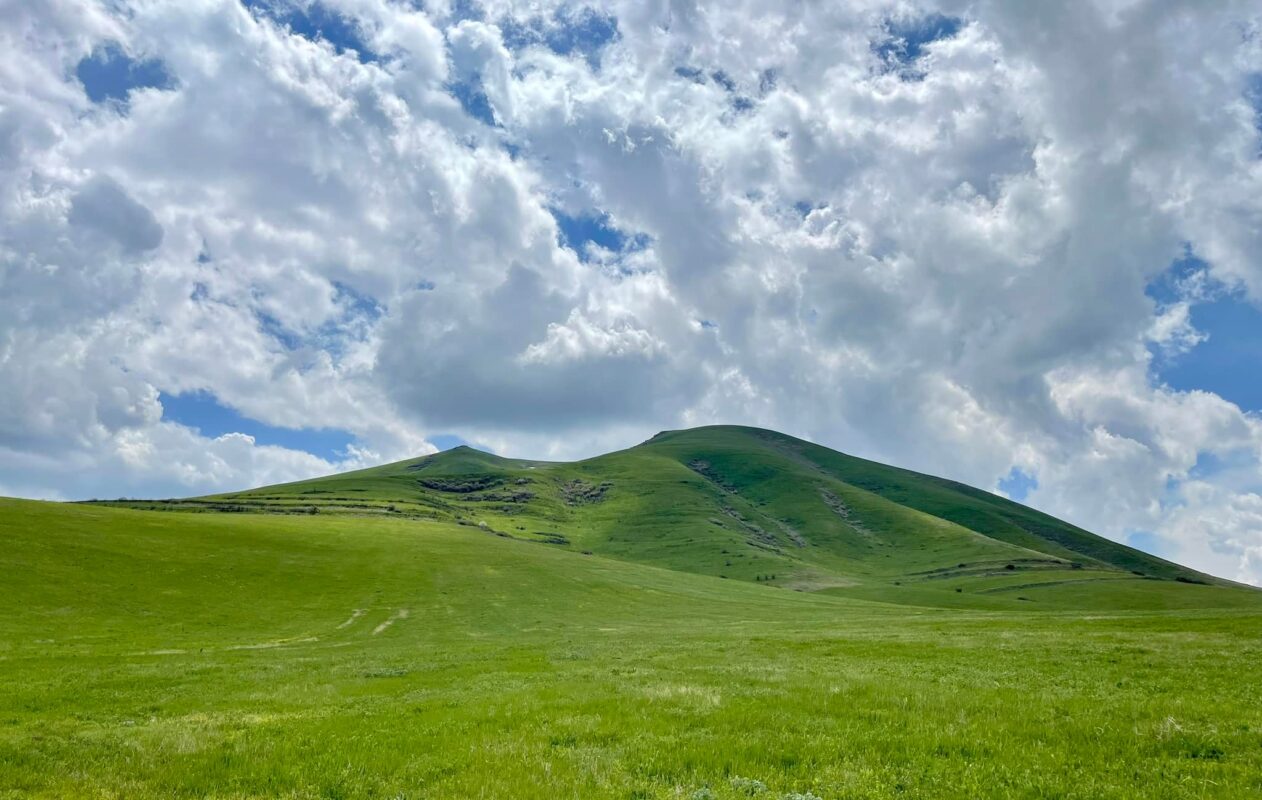
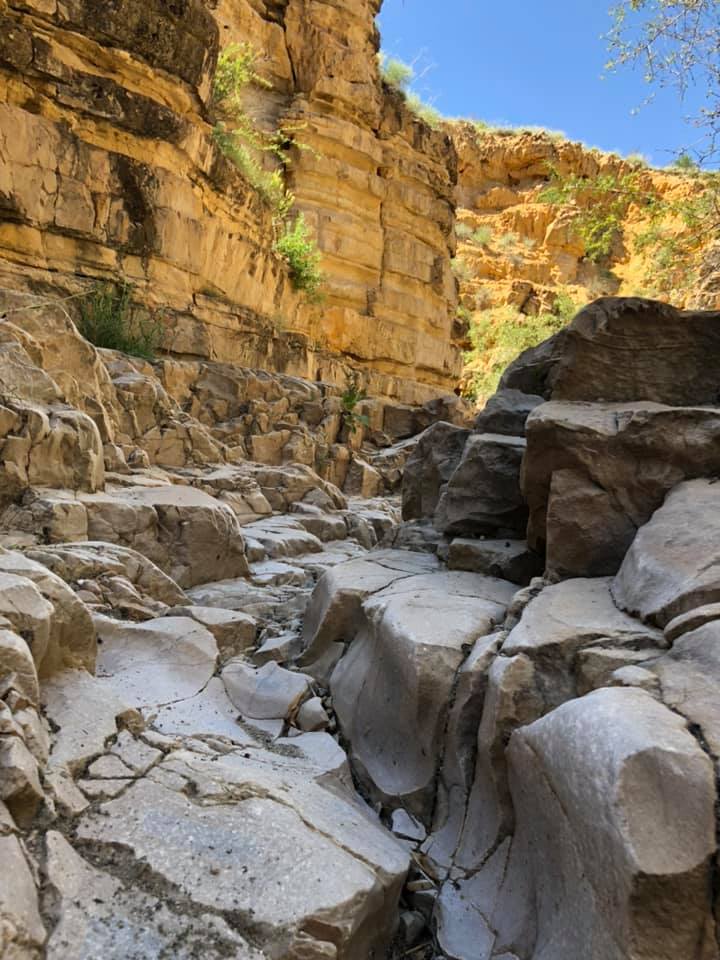
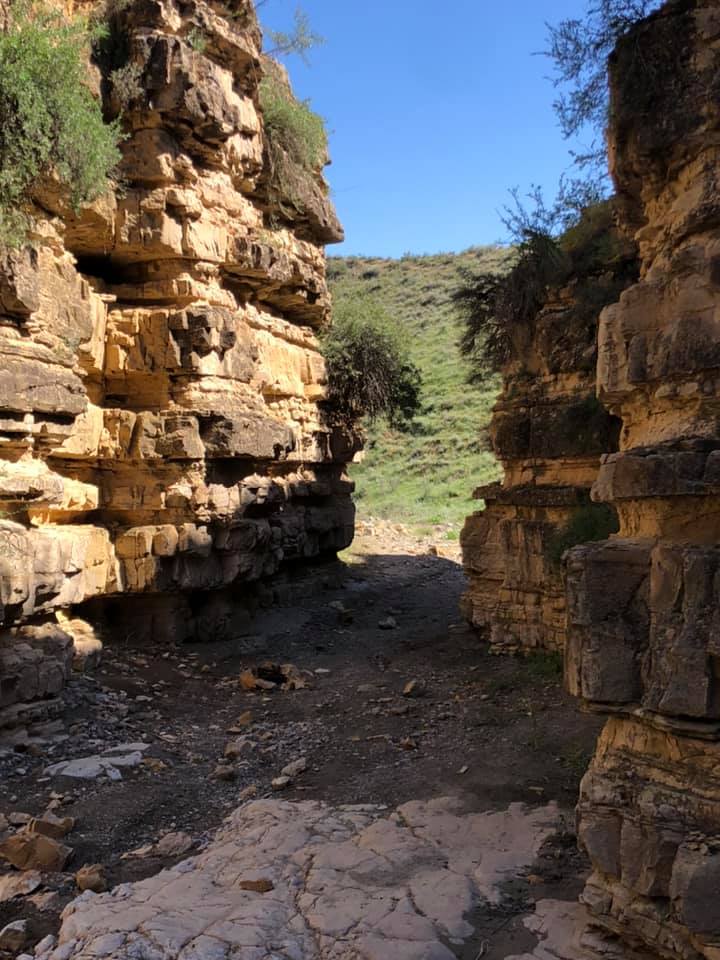
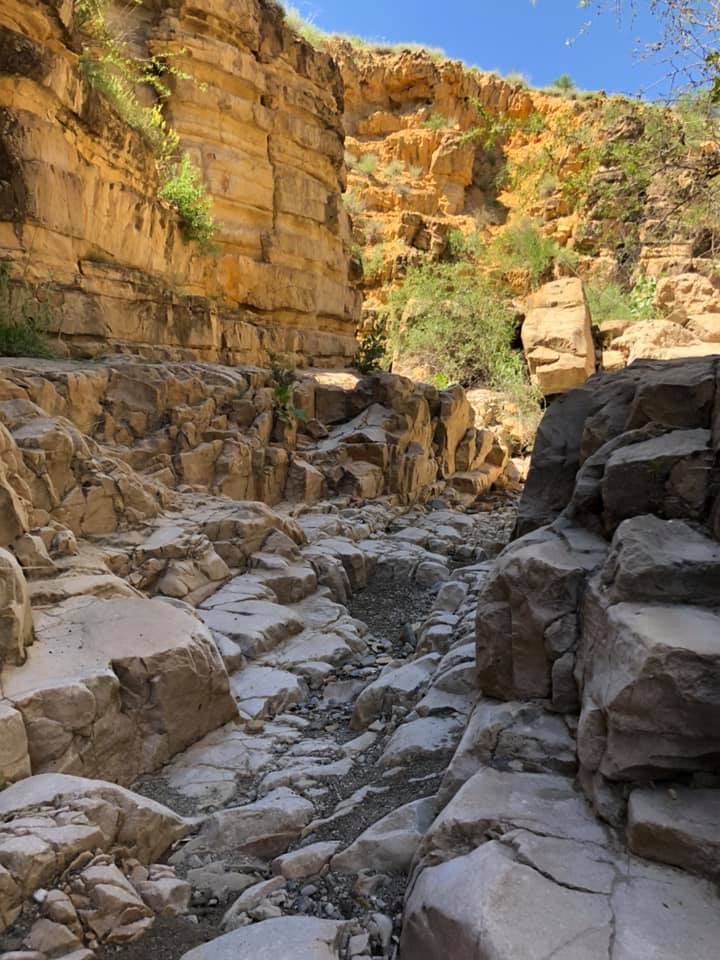
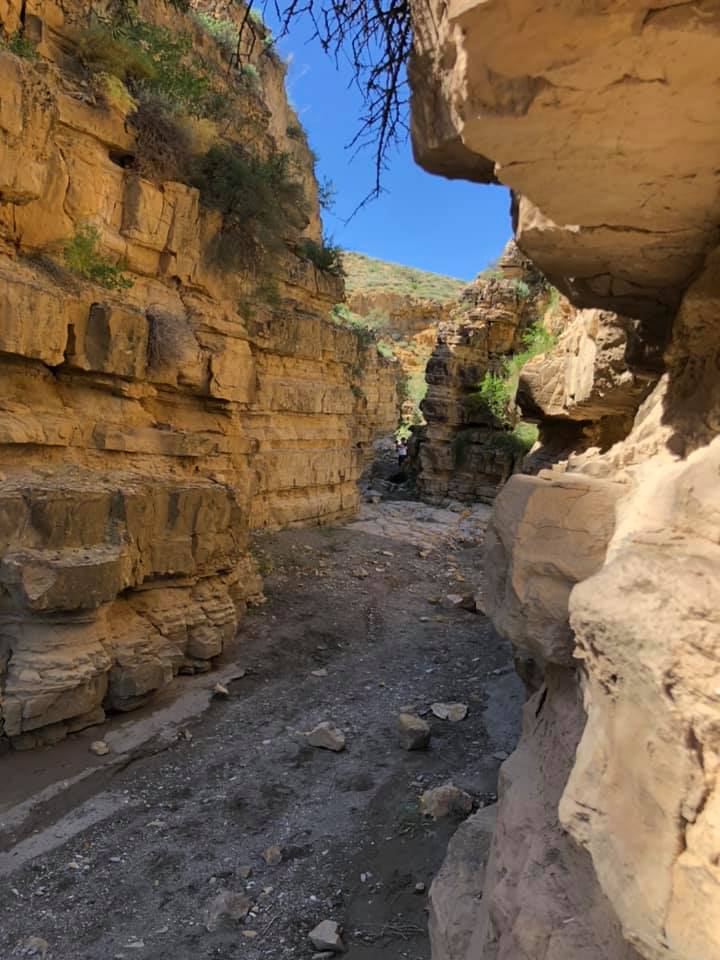
Angel’s Canyon, a natural monument, is a magnificent blend of geological and ecological formations, making it an intriguing destination for nature lovers and explorers. Located about 19 km from the heart of Ararat, it rests at 970 meters above sea level, nestled between the foothills of the Ararat Plain and the right bank of the Vedi River. The dramatic beauty of this canyon, carved over millennia, invites visitors to witness the incredible harmony of nature.
ETYMOLOGY
Though the exact origins of the name “Angel’s Canyon” remain unclear, it is believed to have been given in recent years. Prior to this, the area was known as "Kotrbulakh", a name still cherished by the locals.
FORMATION
The canyon’s geological layers are primarily composed of ancient sedimentary rock formations. The exposed rock faces provide a unique opportunity for geological research, as they reveal the canyon’s age through biostratigraphic methods. The canyon’s soils are mostly brown mountain soils, shaped by the travertine and clay deposits from the surrounding Ararat region. Semi-desert and grey irrigated soils dominate the landscape, while hydromorphic, sodic-alkaline soils can be found where mineralized waters approach the surface.
RESOURCES
The primary water source for Angel’s Canyon is the Vedi River, which begins in the Mzhktar Mountains between the Dahnaki and Gndasari mountain ranges at an elevation of around 2700 meters. The Vedi River’s gorge also features mineral waters, renowned for their healing properties. These water resources are essential to the local ecosystem, providing life-sustaining support to the diverse plant and animal species within the canyon. The flora of Angel’s Canyon is dominated by osindro-ephemeral and halophilic, gypsum-loving desert species, reflecting the semi-arid landscape. Rare plants, uniquely adapted to this environment, thrive in this area. The fauna of the canyon is equally fascinating. It is home to a variety of desert and semi-desert creatures. Amphibians such as the lake frog, Syrian toad, and green toad are common, while reptiles like the round-headed lizard, snake-headed lizard, and blind snake can be found. These species are vital to the ecosystem, requiring careful conservation attention due to their ecological roles.
TOURISM
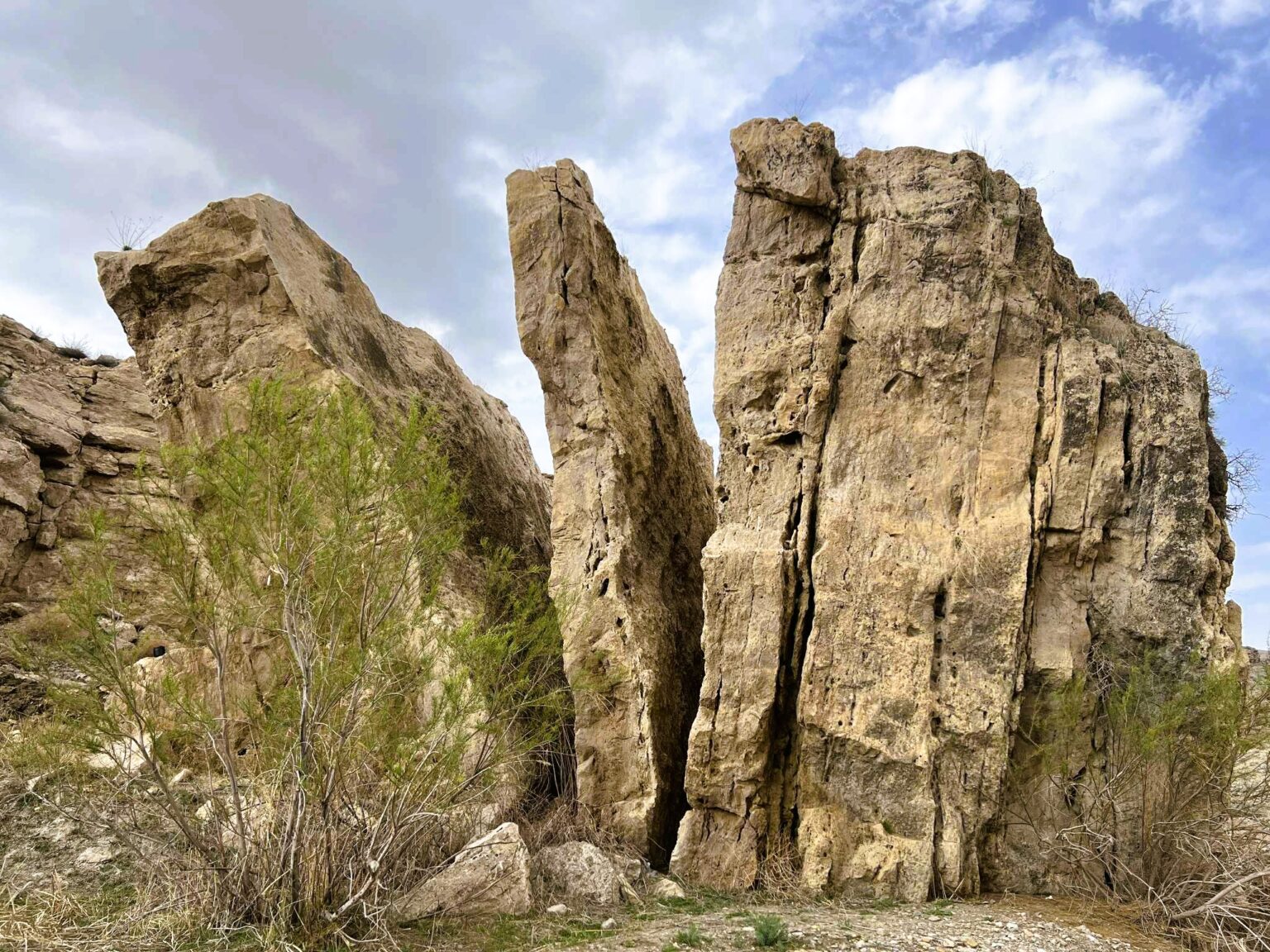
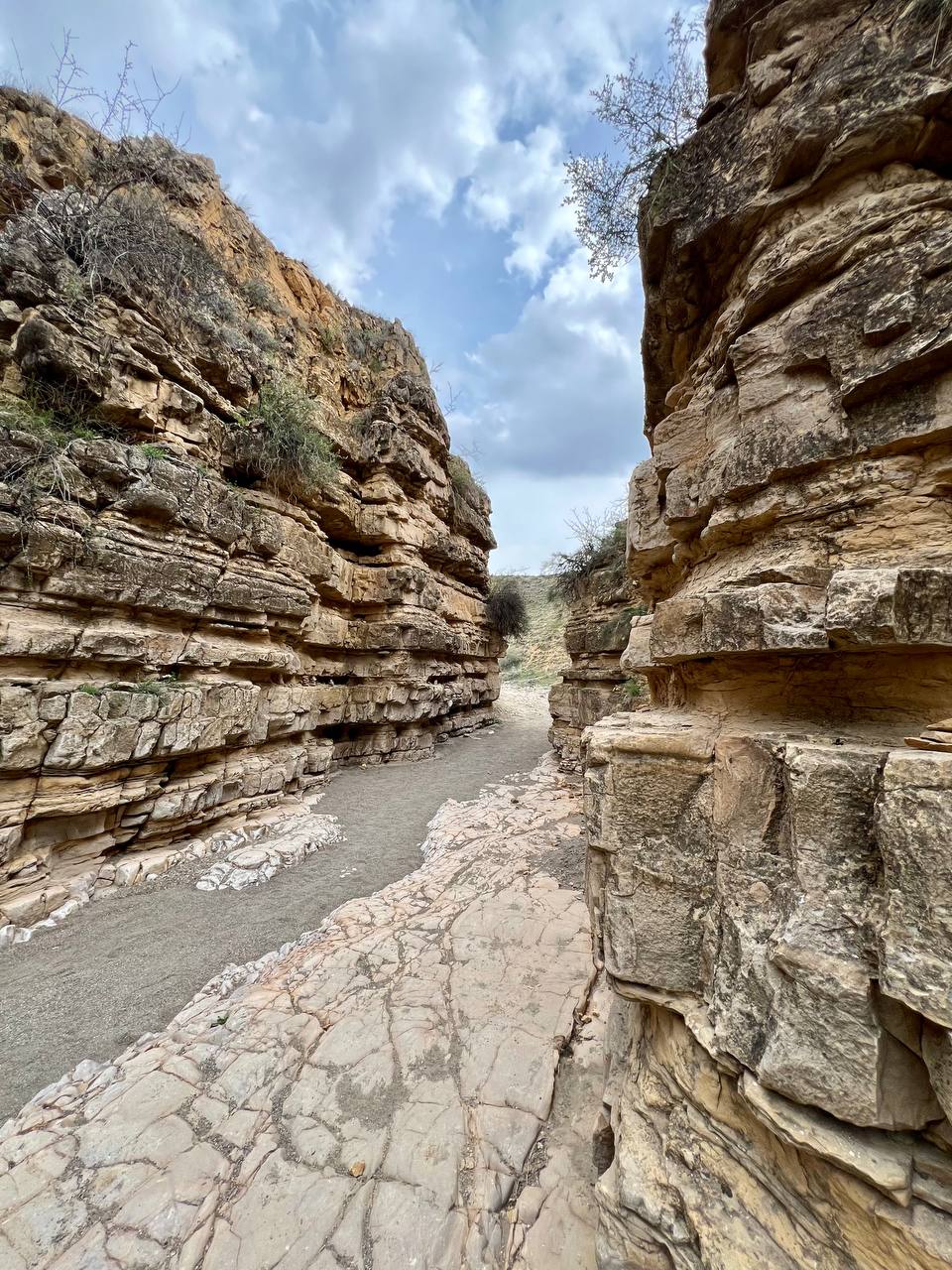
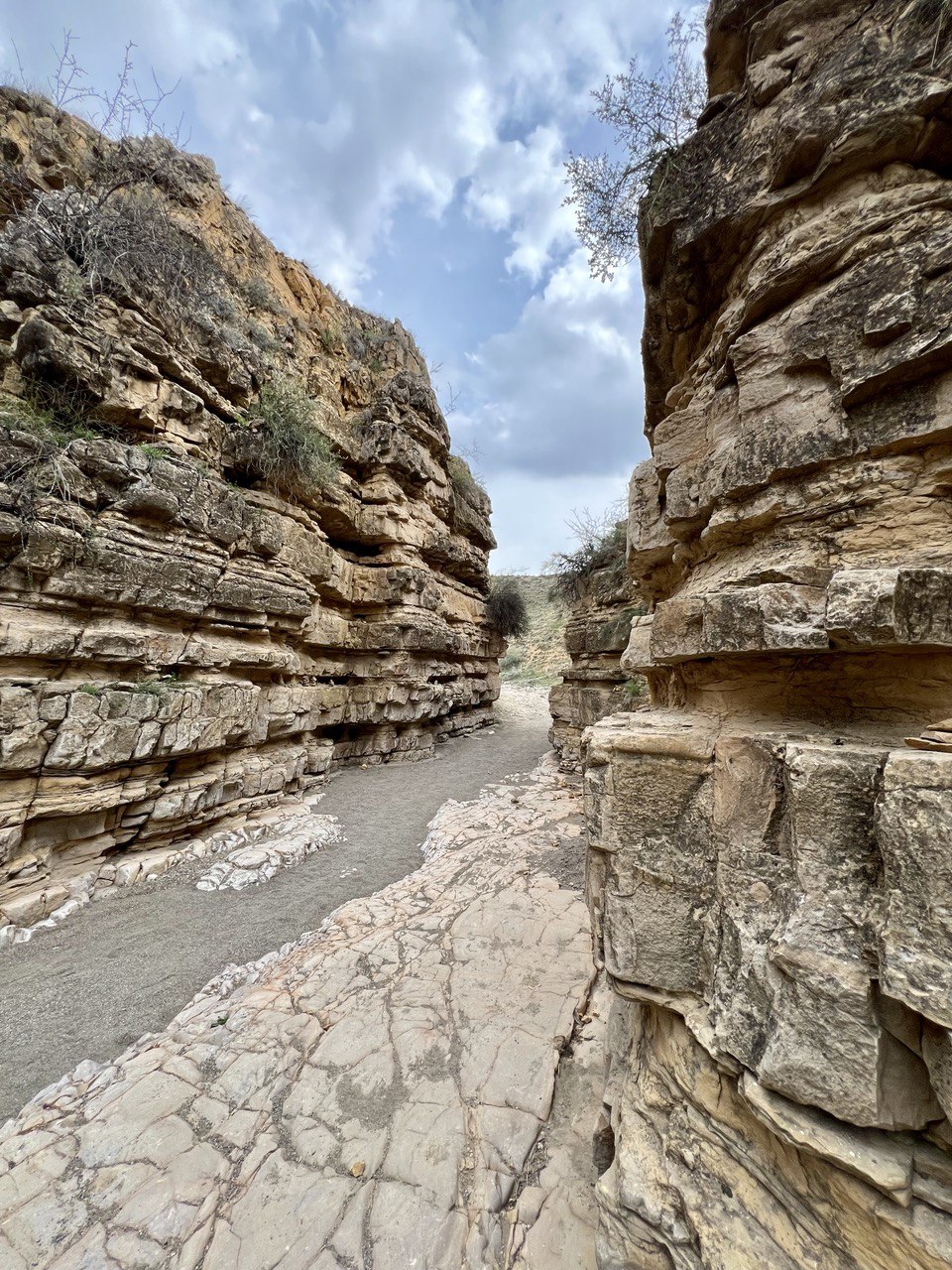
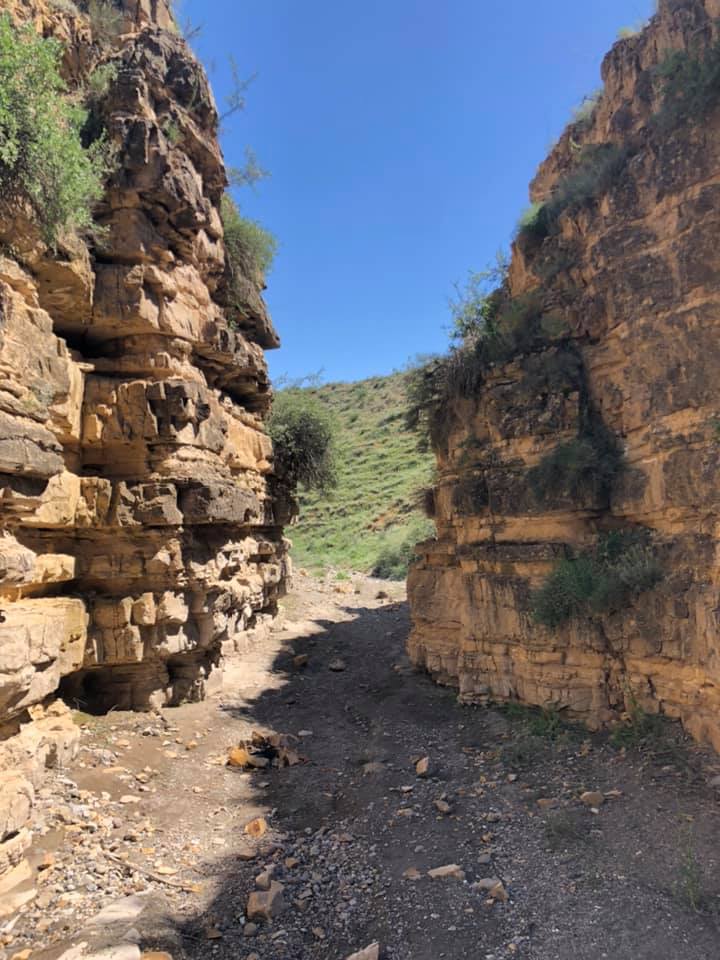
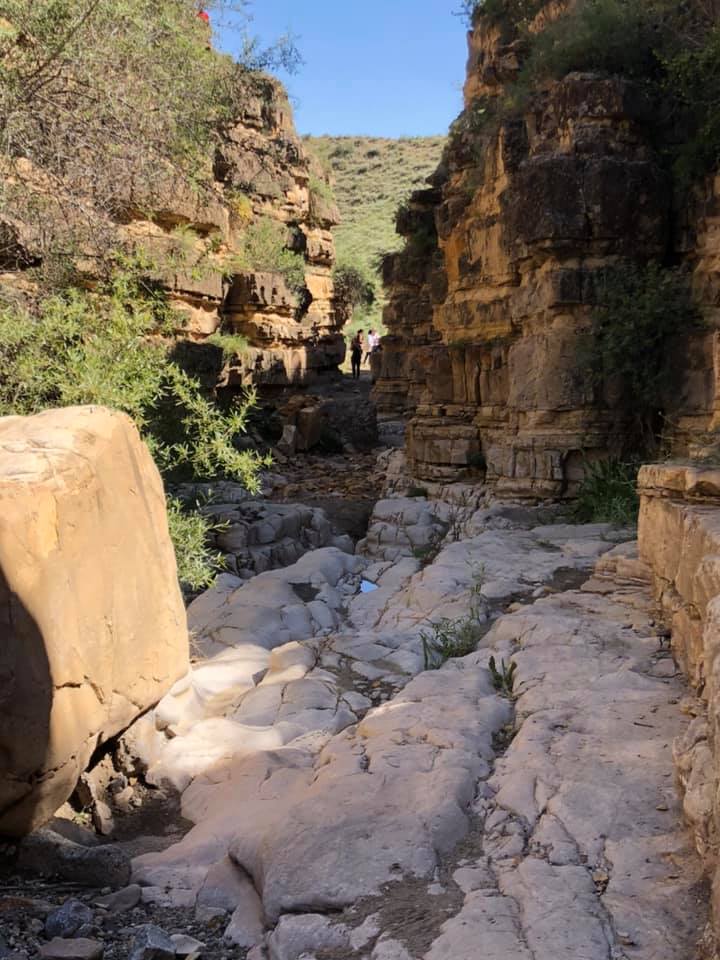
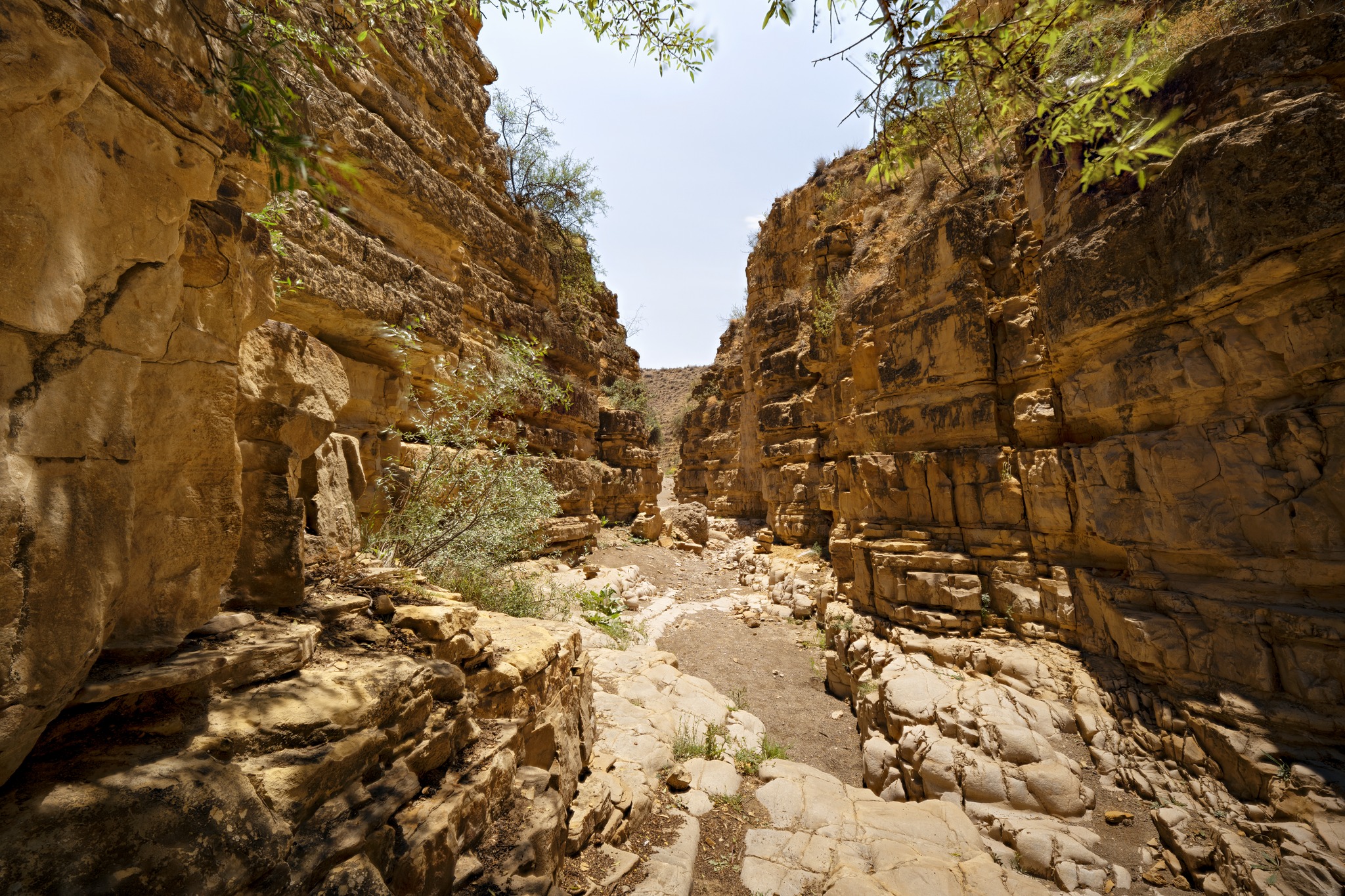
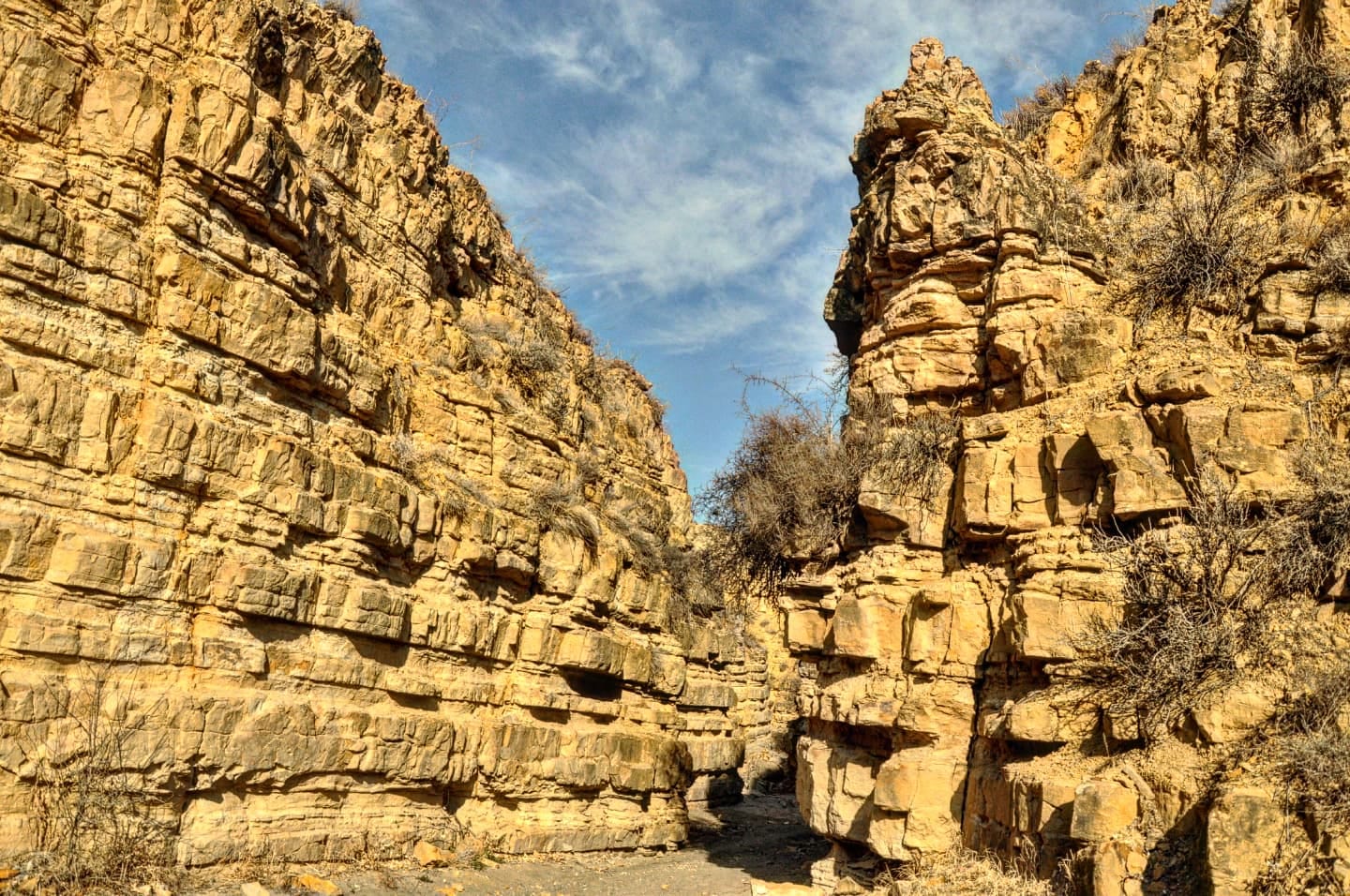
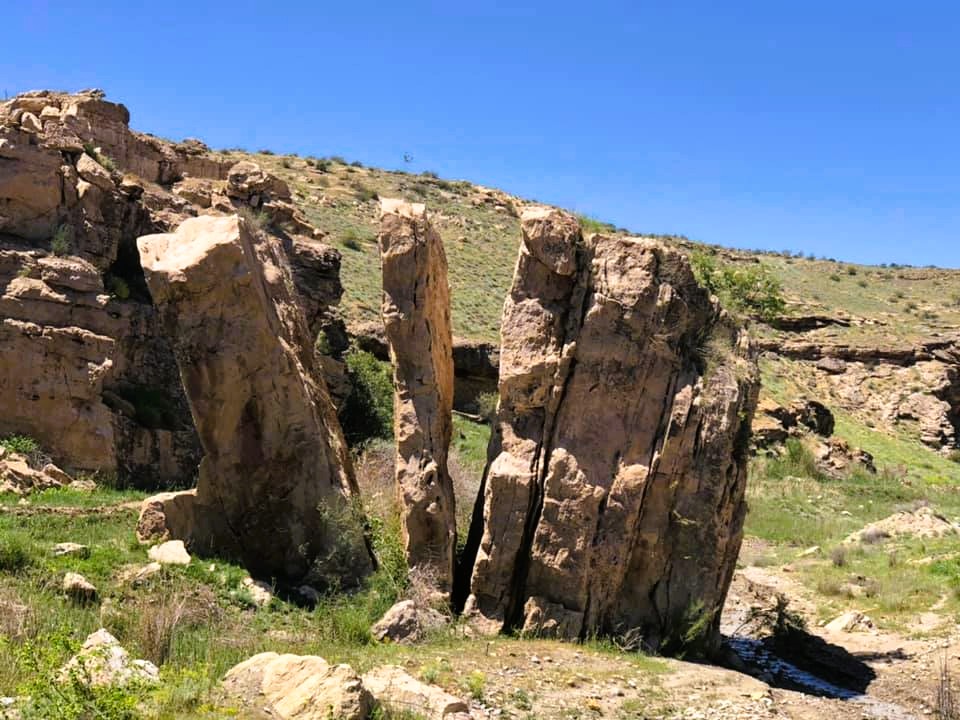
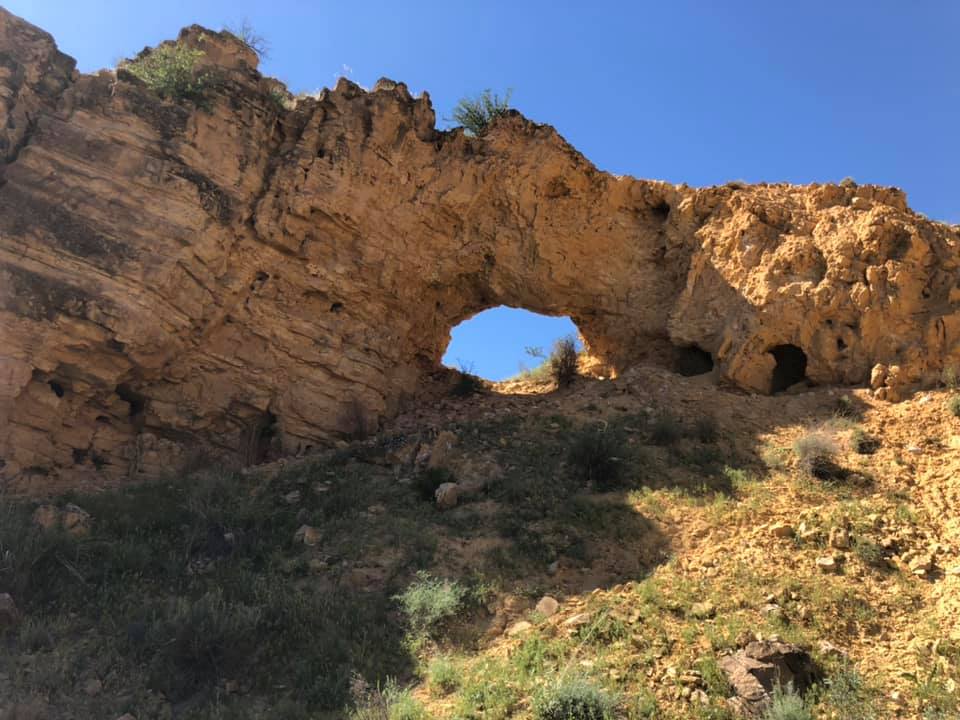
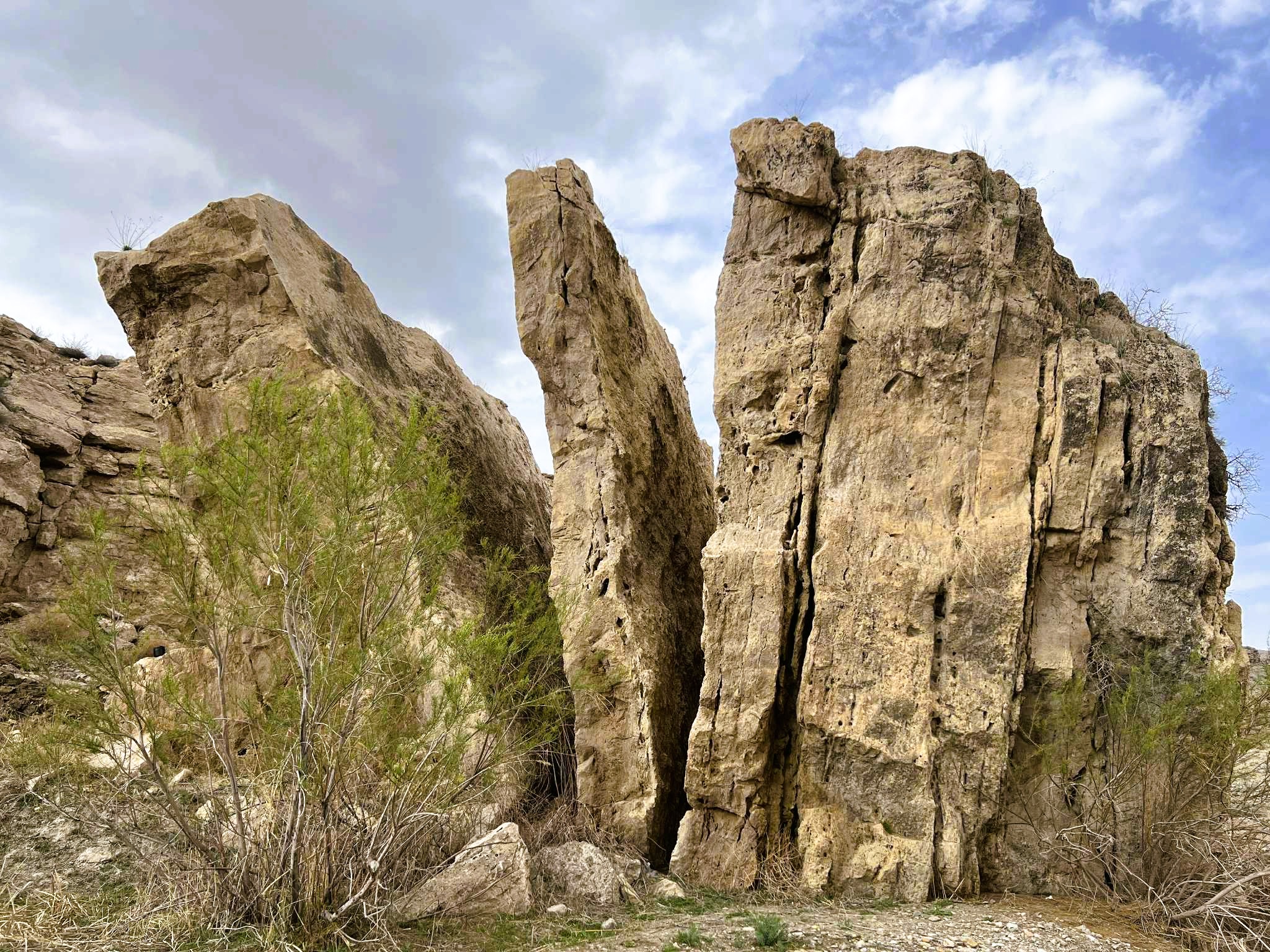
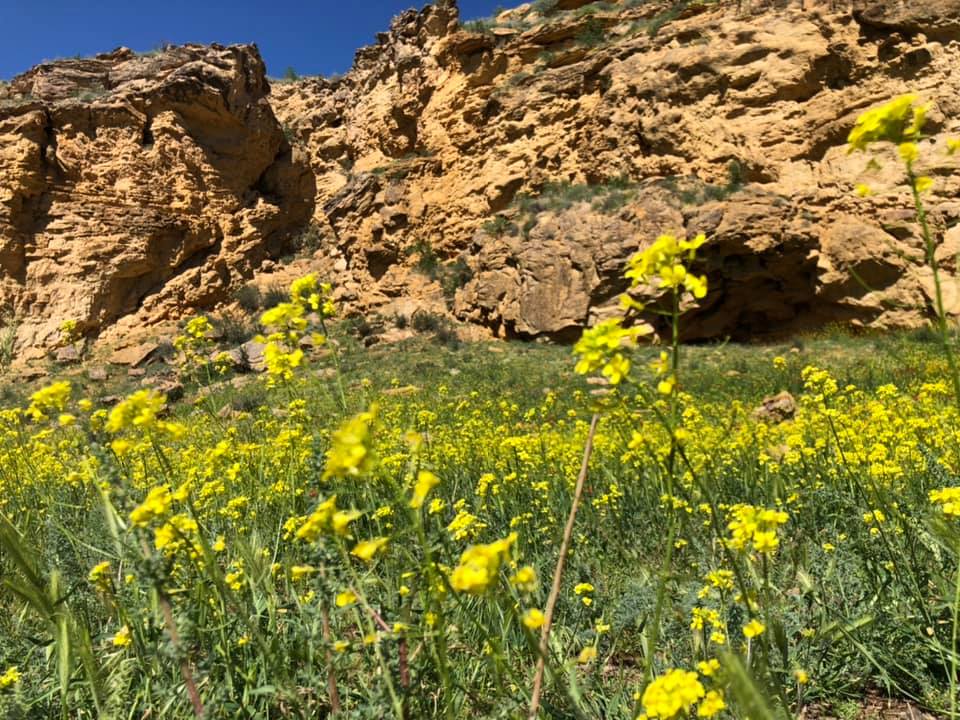
Angel’s Canyon offers unparalleled natural beauty and is a must-visit destination for those seeking to immerse themselves in Armenia’s landscapes. The canyon stretches about 50 meters in length and reaches heights of 6-7 meters. Its towering, vertical cliffs, formed around 60 million years ago, showcase striking yellow sandstone layers, creating a stunning visual experience. As you journey through the canyon, you will encounter two awe-inspiring natural landmarks: Angel’s Arch and the Stone Book. Angel’s Arch, a golden-hued natural arch, has been formed by erosion, standing as a testament to nature’s artistry. The Stone Book, located about 2 km from the canyon, is a massive rock that has split in several places, resembling an open book.
The exotic vistas of Angel's Canyon and its rocky trails present unparalleled opportunities for photography enthusiasts. The blend of golden sandstone and towering cliffs, the interplay of sunlight casting shadows upon the rocks, the pristine sky, and drifting clouds combine to create stunningly beautiful and vivid shots, perfect for capturing the essence of nature in any photographic style.
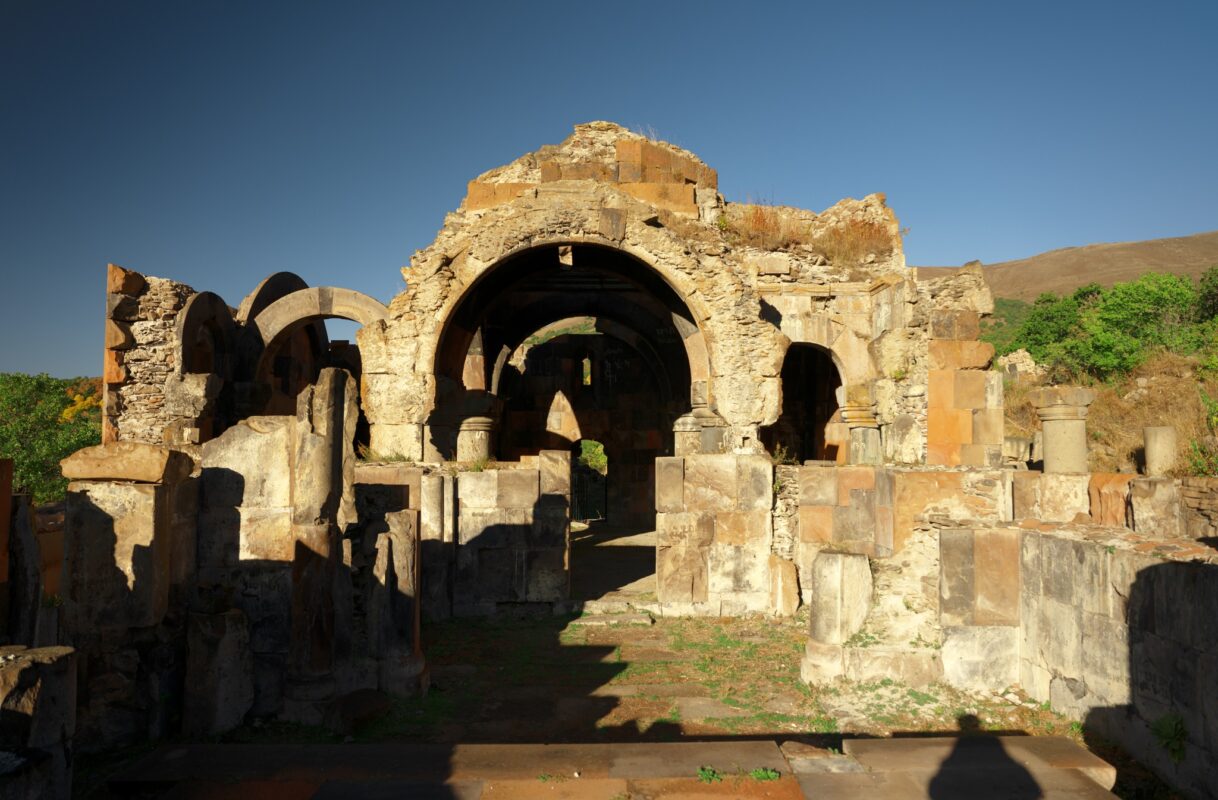
A medieval fortress with historical significance, offering sweeping views of the Ararat Plain and surrounding landscapes.
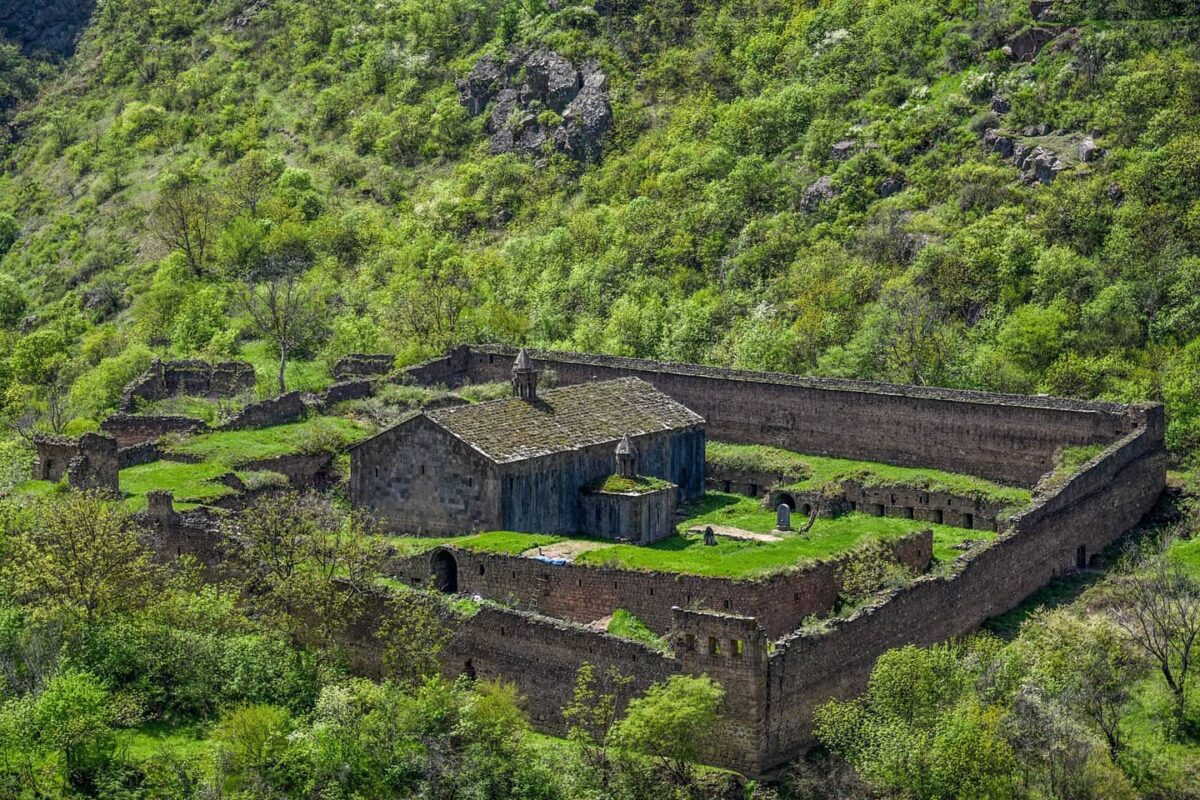
A revered monastic complex with breathtaking views of Mount Ararat, Khor Virap is one of the most significant landmarks in Armenian Christianity.
An eco-tourism retreat offering opportunities for relaxation, nature walks, and eco-tourism experiences.
A newly constructed reservoir on the right bank of the Vedi River’s Kotuts floodplain. It is fed by the seasonal floods of the Vedi and Khosrov rivers, offering stunning scenery and nature walks.
A quaint village home to the House-Museum of Paruyr Sevak, one of Armenia’s most renowned writers. The museum offers deep insight into his life and literary contributions.
✓ Duration: Unlimited
✓ Basic contact information:
✓ Limited filters
✓ Newsletter updates
✓ Duration: 6 months
✓ Includes detailed profile:
✓ Newsletter updates
✓ Extended filters
AMD 40,000
✓ Duration: 12 months
✓ Includes detailed profile:
✓ Newsletter updates
✓ Extended filters
✓ 20% discount on first year
AMD 75,000
LIABILITY NOTICE FOR THE ARMENIAN TRAVEL DIRECTORY WEBSITE
“Armenian Travel Directory” provides a platform for businesses related to tourism, including hotels, tour agencies, and guides, to list their services. The information on this website is provided by third-party advertisers, and Armenian Travel Directory does not carry the responsibility for the quality of services or the content provided on the site.
Armenian Travel Directory is not responsible for any direct, indirect, incidental, or consequential damages arising from the use of, or inability to use, the services and content on this website. The company does not guarantee the availability, quality, safety, legality, or suitability of any business or service listed on the website. Users interact with advertisers at their own risk.
Advertisers are solely responsible for the accuracy of the information they provide, including descriptions, images, and other content related to their business listings.Any disputes, claims, or legal issues related to the services or businesses listed on the Armenian Travel Directory must be resolved directly between the user and the advertiser. The platform does not mediate disputes and bears no responsibility for resolving such issues.
“Armenian Travel Directory” may contain links to external websites that are not operated or controlled by the company. The inclusion of such links does not imply endorsement. The company is not responsible for the content, privacy policies, or practices of any third-party websites.
Armenian Travel Directory reserves the right to change, update, or remove content from the website at any time without prior notice. Advertisers are encouraged to regularly check the website for the latest information and updates.
Users and advertisers are required to comply with all applicable laws and regulations when using the website. Armenian Travel Directory is not responsible for any violations committed by users or advertisers, including but not limited to fraud, misrepresentation, or breaches of legal obligations.
All trademarks, logos, designs, and other materials on the Armenian Travel Directory are the property of the company. Unauthorized use, reproduction, or distribution of these materials is strictly prohibited.
By using the Armenian Travel Directory website, users and advertisers acknowledge that they understand and agree to this liability notice.