
Latest Listings
Related Listings
Close To You




Dashtadem Fortress
Fortress
1439 m
Historical
Easy
VISITOR INFORMATION
📍 Location - Aragatsotn Province, about 6-7 km southwest of Talin, set on a vast plateau stretching along the southeastern slopes of Mount Arteni.
🕰️ Period - Believed to have been built in the 7th century․
📜 Also Known As - Fortress of Kagheni, Talin Citadel.
🌿 Best Time to Visit - Spring and autumn, when the surrounding plateau comes alive with blossoms or glows with the warm hues of fall.
🛤️ How to Get There - From Yerevan, take the road through Ashtarak toward Talin, then turn southwest via rural routes. The journey takes about 1.5 hours by car.
OVERVIEW
Dashtadem Fortress is a remarkable example of medieval Armenian military architecture. Dating back to the 7th century, it once served as a powerful defensive stronghold. Strategically perched on an elevated plateau, the fortress was originally encircled by double defensive walls. Today, the surviving ruins of its mighty walls and towers still convey the scale and grandeur of this fortified city.
HISTORY
It is believed that the area of Dashtadem was inhabited as early as the period of the Kingdom of Van (Urartu), in the 9th-6th centuries BC. The fortress itself consists of a medieval citadel, which was later surrounded by a massive outer wall in the early 19th century. To the south of the fortress stretched a medieval settlement with residential and production complexes, cemeteries, and khachkars. Written records about the fortress are scarce. The earliest known source is an Arabic inscription from 1174, stating that Sultan ibn Mahmud ibn Shavur built the fortress. Another key source is a 1307 Armenian inscription, in which Aghbugha Zakaryan exempted his village of Talin from the wine tax. More recently, excavations in 2015 and 2018 uncovered dozens of new epigraphic fragments. For many years, scholars believed that the fortress was built atop an earlier Urartian stronghold, possibly during the Kamsarakan dynasty, though archaeological evidence has not confirmed this theory.
The Medieval Citadel (12th-14th centuries)
Excavations have revealed three distinct cultural layers spanning the 12th-14th, 15th-18th, and 19th–20th centuries. The most prominent period is linked to the Zakaryan noble family, when Dashtadem likely served as one of their residences in Aragatsotn. The fortress controlled the important Dvin-Ani trade route, and just 3 km to the north lie the ruins of the 12th-century Talin caravanserai. Even after the Mongol invasions forced the Zakaryans to abandon the region, the fortress continued to remain an active settlement in the following centuries.
The Fortress in the 19th–20th Centuries
In 1812, Hussein Quli Khan, the last Sardar of Yerevan, constructed the massive outer wall along with other military structures, turning Dashtadem into a stronghold during the Russo-Persian conflicts. At that time, the fortress also oversaw the route leading toward Shirak. In the 20th century, the site became home to refugees displaced from Western Armenia during the Armenian Genocide, and settlement continued here until the early 21st century. In 2015, the area was finally cleared of modern dwellings, and a major preservation and restoration project was launched with the support of the U.S. Ambassadors Fund for Cultural Preservation.
ARCHITECTURE
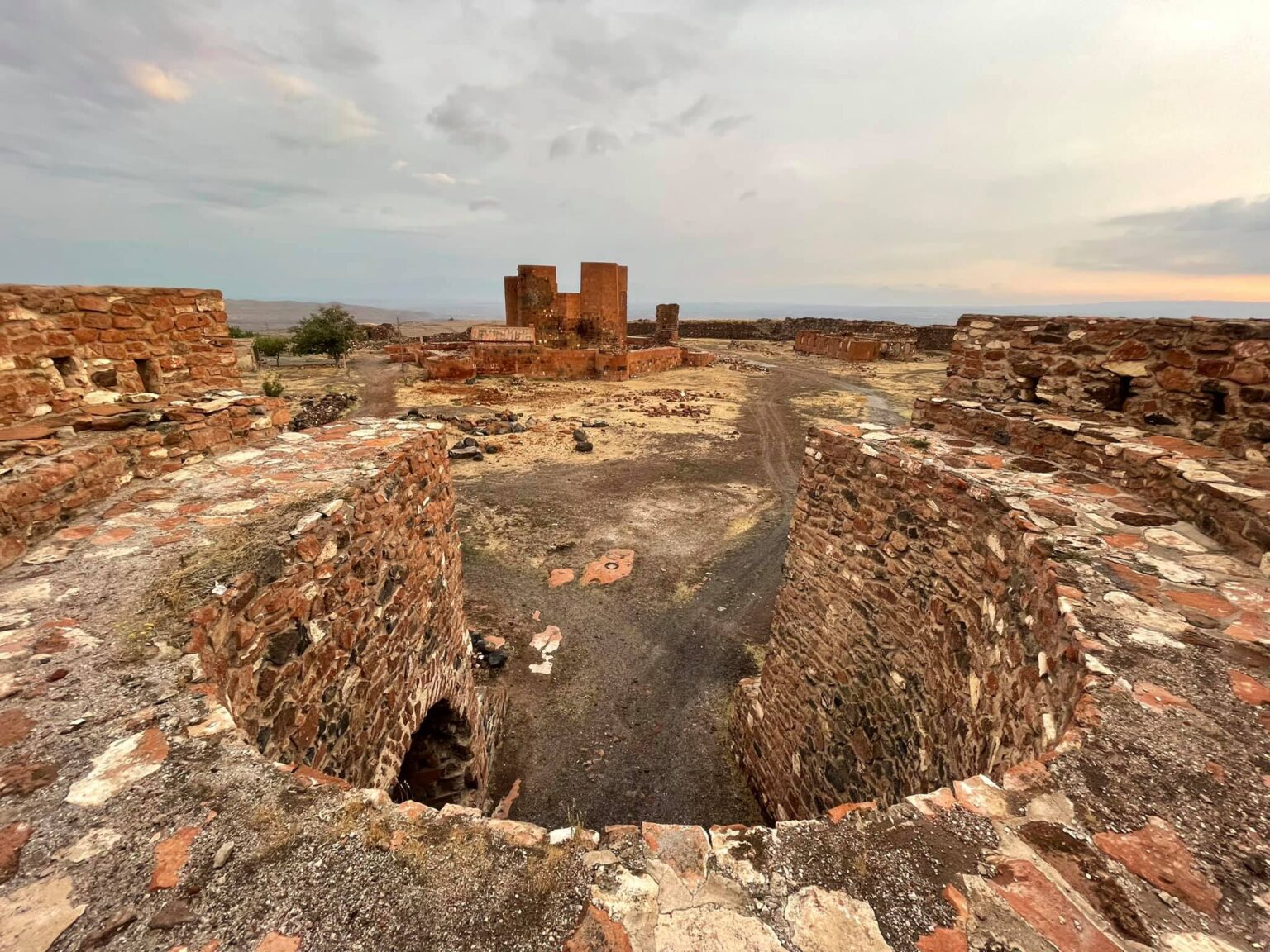
The medieval citadel of Dashtadem is composed of an inner keep and surrounding fortifications. Within the courtyard stood a royal single-nave church, monumental secular halls, underground cisterns, and other utility structures.
The Citadel
At the heart of the complex lies the citadel, reinforced with polygonal and semicircular towers. Its main building is a vaulted rectangular structure with a single southern entrance, once closed by a heavy stone door. Inside, a narrow passageway and spiral staircase lead up to the tiered roof. Three skylights pierce the center, illuminating the interior. A secret passage has also been preserved. The citadel’s faceted and horseshoe-shaped towers contained living quarters accessible from the roof, while the semicircular towers served defensive and auxiliary purposes.
The Fortification Walls
The fortress was enclosed by an irregular polygon-shaped wall, strengthened with 11 semicircular towers and 2 gates, covering an area of about 2,500 square meters. Some towers contained single or double staircases. The main arched gate stood on the southern side and opened into a small vaulted chamber.
The Palace Church
Uncovered during the 1989 excavations, the palace church is situated along the northeastern section of the wall. It is a single-nave vaulted hall with a semicircular apse, featuring two entrances-one from the west and another from the south, which once had a portico-style vestibule.
Secular Buildings
Two monumental secular structures remain within the complex. The first, dating to the 13th–14th centuries, was a ceremonial hall built on a nearly square plan with four central pillars, of which only the foundations survive. The second, an elongated rectangular building attached to the southern wall, was altered during the 15th-18th centuries and most likely functioned as a refectory.
Water System
To supply fresh water to the inhabitants, a system of underground cisterns and channels was built in the northeastern part of the citadel.
The Outer Walls
The fortress was further secured by an outer polygonal curtain wall constructed of roughly-hewn local tuff, with sections of basalt and clay-lime mortar. It was reinforced by seven pointed rectangular towers and a single semicircular one. The main entrance was from the north, and a hidden passageway led out toward the ravine on the western side.
TOURISM
Dashtadem Fortress is one of Aragatsotn Province’s most significant cultural monuments, attracting both Armenian and international visitors. It captivates travelers not only with its medieval architectural features but also with its rich history that weaves together centuries of political and cultural events. Exploring the fortress allows visitors to witness the ingenuity of medieval defensive systems and to discover the remains of its palace church, monumental halls, and underground reservoirs.
A visit to Dashtadem can be combined with several nearby heritage sites. Just a few kilometers away stand the 7th-century Talin Cathedral, one of the masterpieces of early medieval Armenian architecture, and the smaller yet artistically valuable Church of the Holy Mother of God. To the south lie the ruins of St. Christopher Monastery, while to the north are the remains of the 12th-century Talin caravanserai, once part of the bustling Dvin-Ani trade route. Not far away, in Aruch village, visitors can explore the 7th-century Church of St. Grigor and the adjacent royal palace ruins, offering a glimpse into the grandeur of medieval Armenian court life. Beyond its historic monuments, the region rewards visitors with sweeping views of Mount Aragats and the surrounding landscapes, making a trip to Dashtadem a truly enriching blend of history, culture, and nature.
PRESERVATION AND RESTORATION
Dashtadem Fortress has drawn the attention of Armenian scholars, architects, and archaeologists since the 19th century. Toward the end of that century, it was visited and described by Hovhannes Shahkhatuniants and architect Toros Toramanian. Later, further studies were carried out, among them by archaeologist Hovsep Yeghiazaryan, who explored the fortress and its adjacent monastic complex during his expeditions to Talin. The first archaeological excavations inside the citadel were conducted in 1989–1990 under the direction of archaeologist Yesayi Asatryan. In the 2000s, excavations continued intermittently, mainly within the framework of restoration efforts. Since 2015, systematic excavations have been carried out by the Institute of Archaeology and Ethnography. That same year, the site was finally cleared of modern residential structures, and with the support of the U.S. Ambassadors Fund for Cultural Preservation, a major preservation and restoration program was launched. The project aimed to safeguard the architectural integrity of the medieval complex, ensure its physical conservation and restoration, and promote its use as a cultural monument accessible to both the public and tourists.
Facilities
Nearby
A 7th-century basilica of monumental scale, once crowned with two domes. Today, its soaring walls and sanctuary remain standing. Located about 3 km from Dashtadem.
A small single-nave church dating to the 7th century, situated beside the cathedral. Remarkably well preserved.
A medieval monastic complex (12th-13th centuries) south of Dashtadem. Surviving elements include church walls and inscriptions.
The ruins of a 12th-century caravanserai, located north of the fortress. Sections of its walls and foundations remain intact.
A 7th-century basilica in Aruch village, accompanied by the ruins of a princely palace, about 12 km from Talin.
Gallery
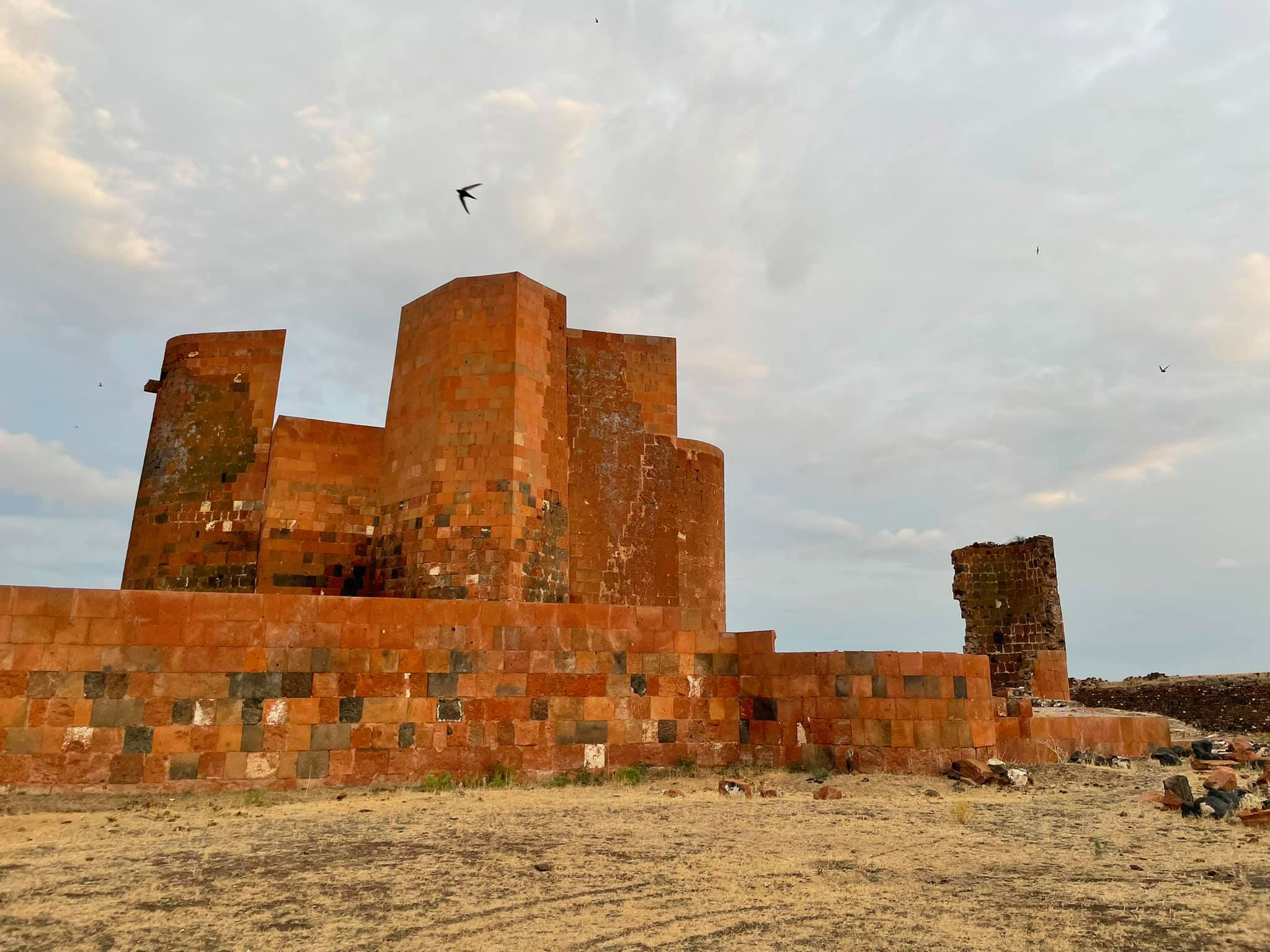
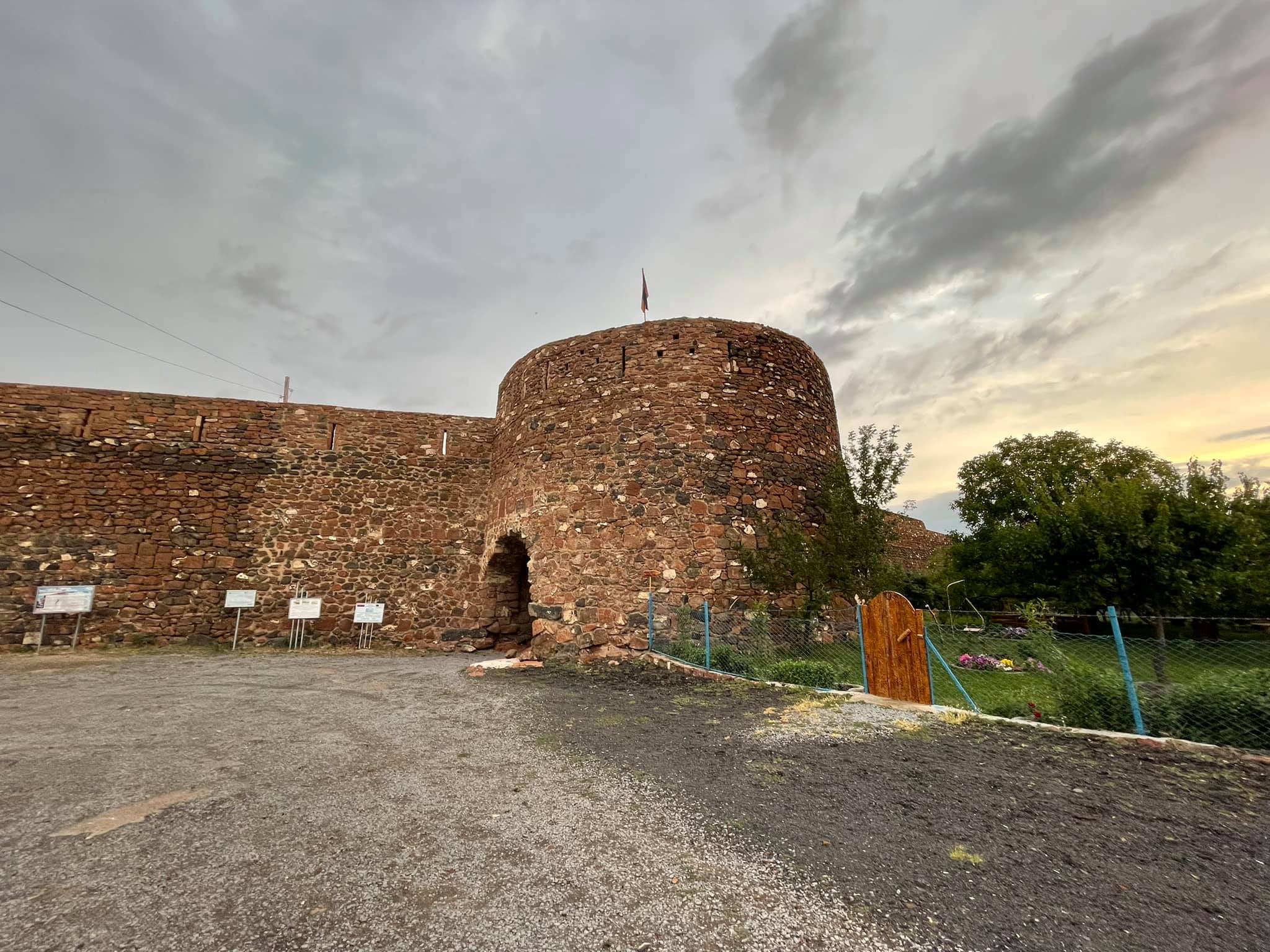
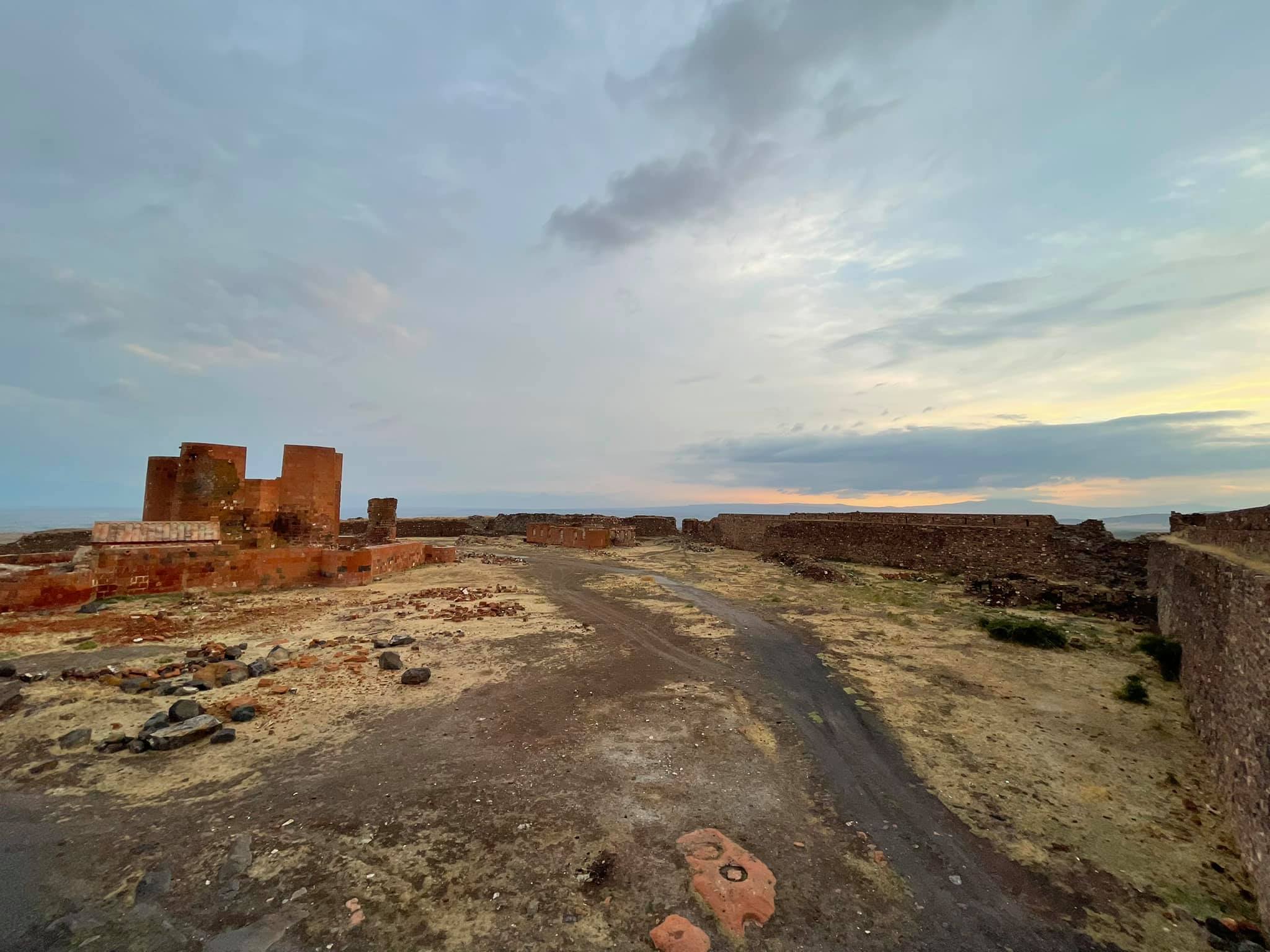
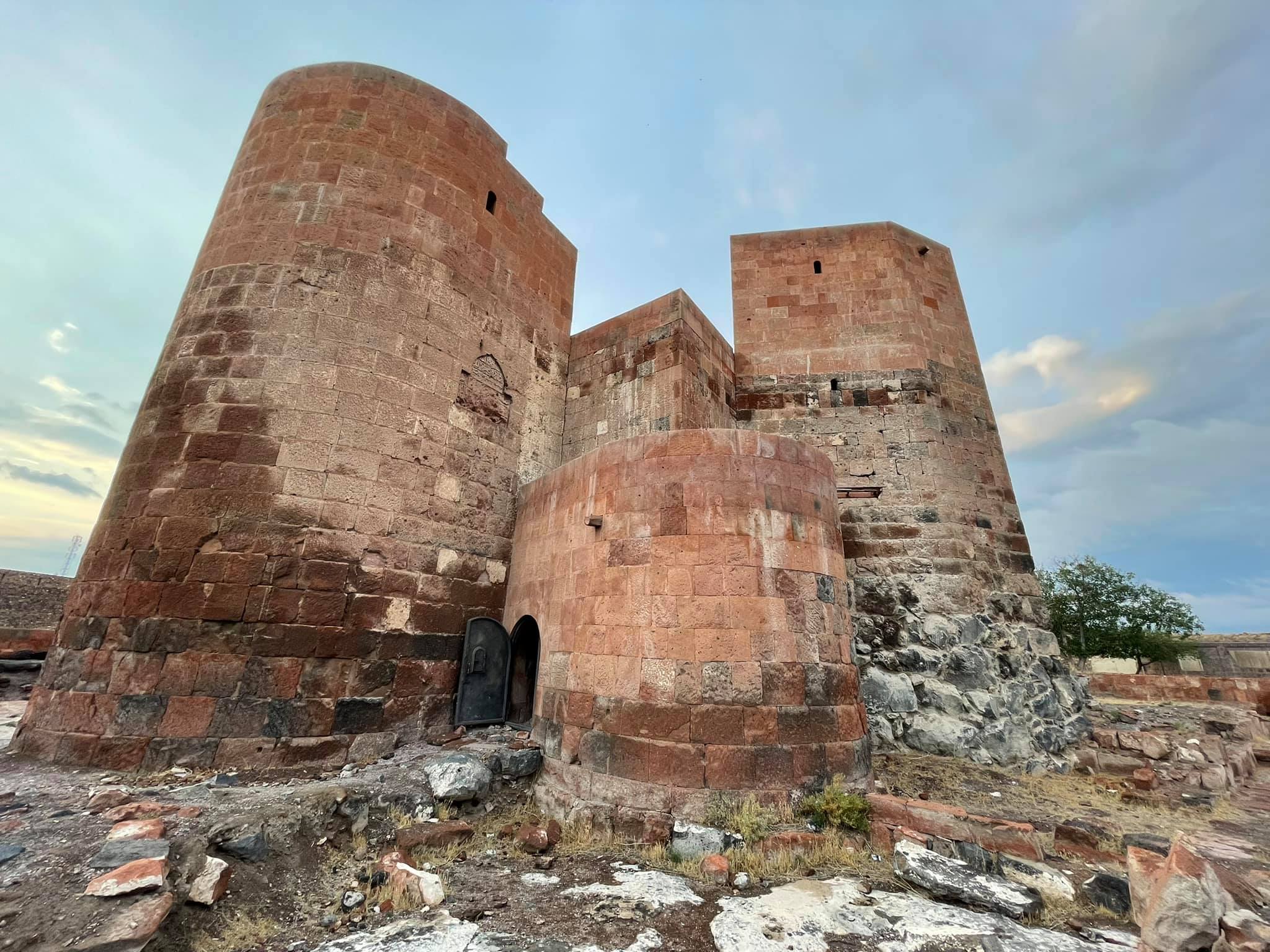

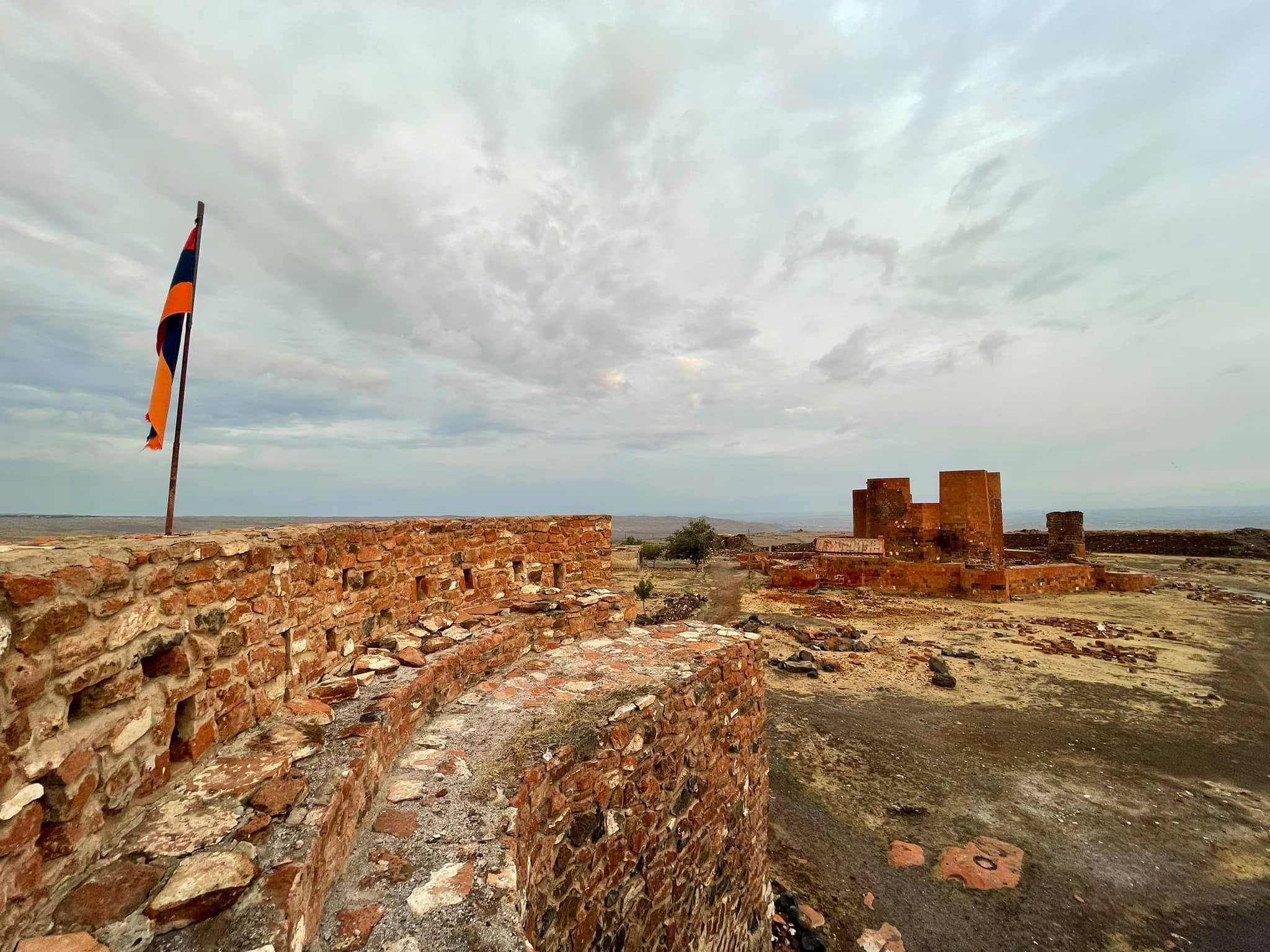
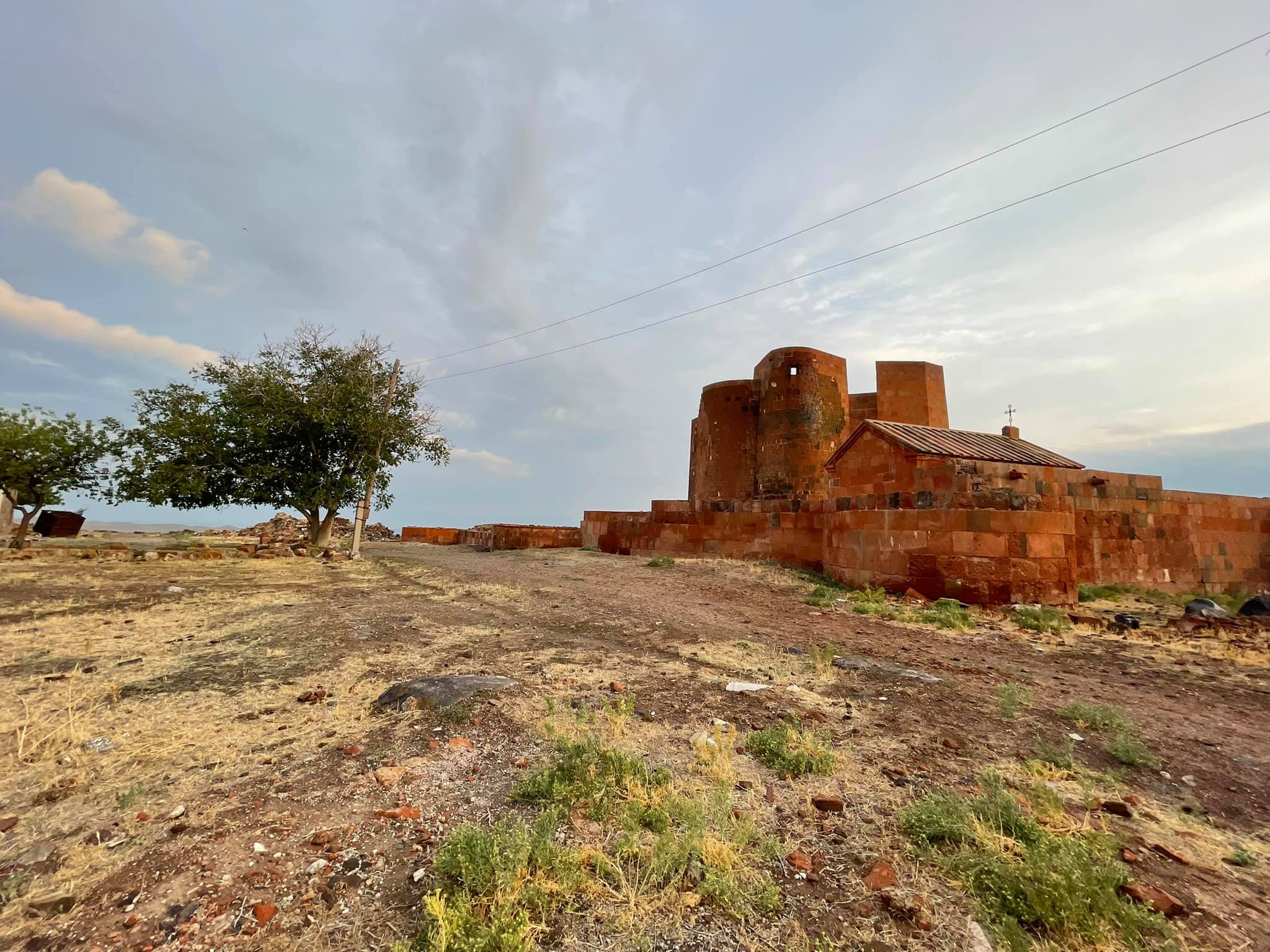
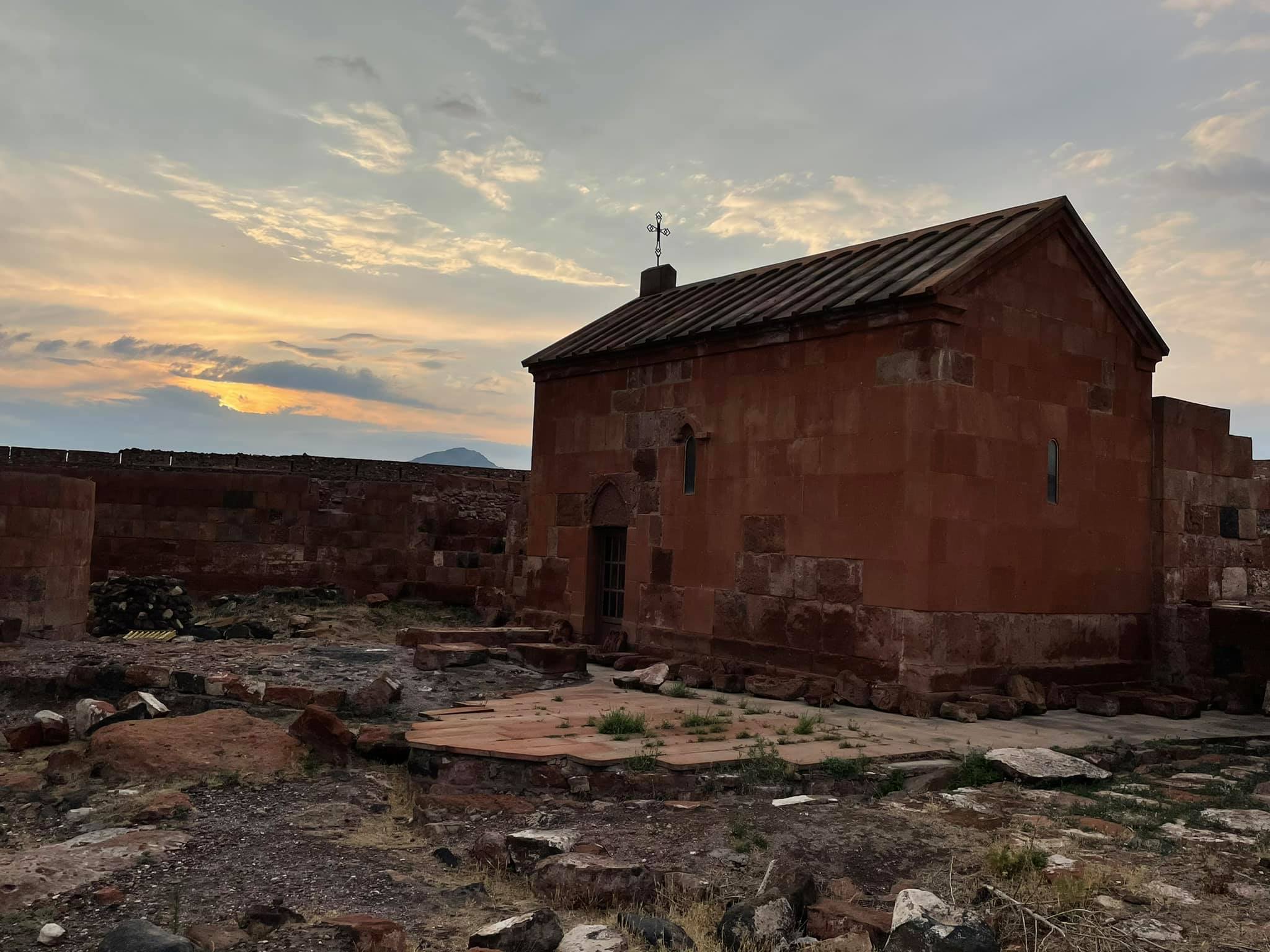
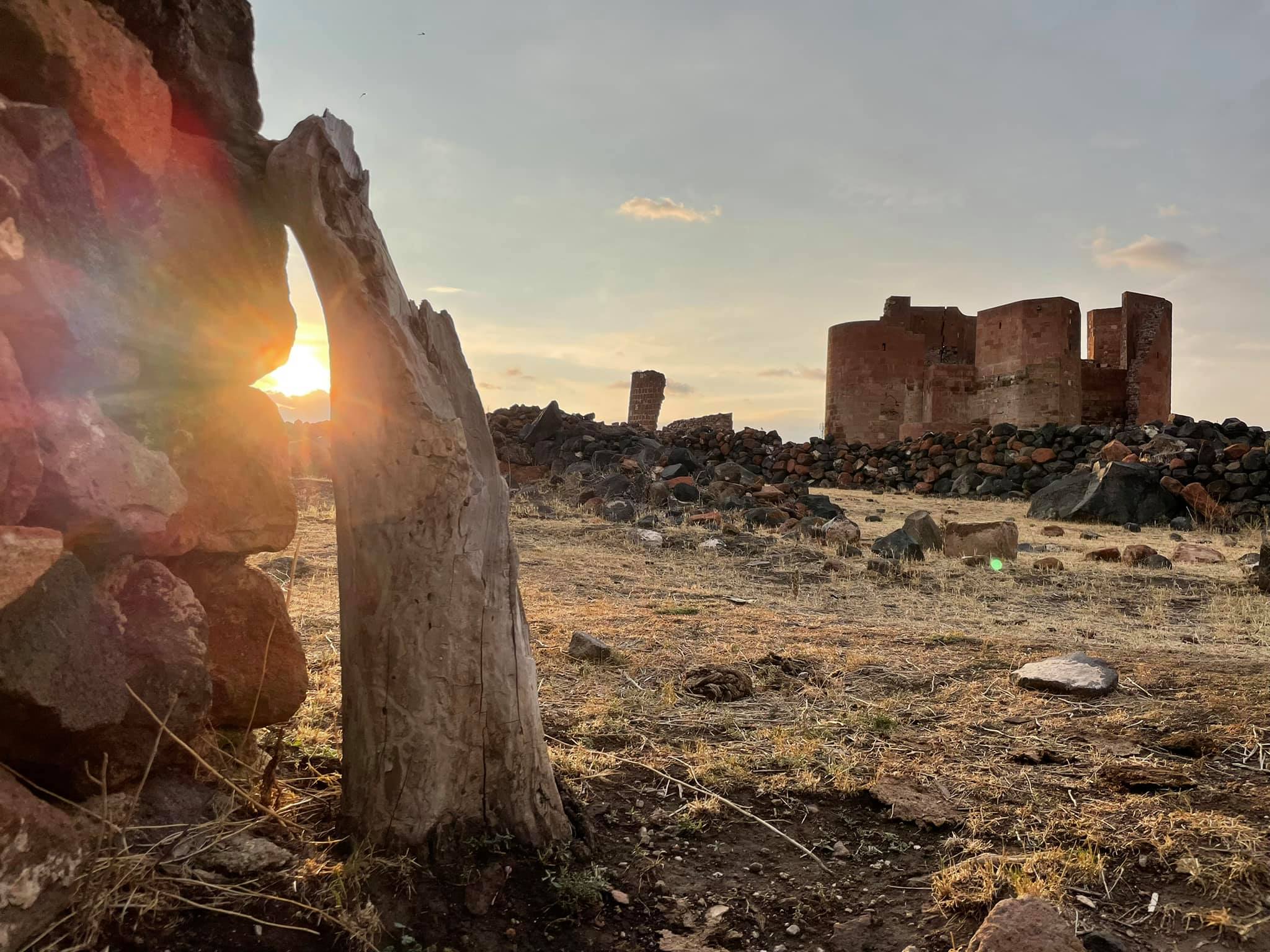
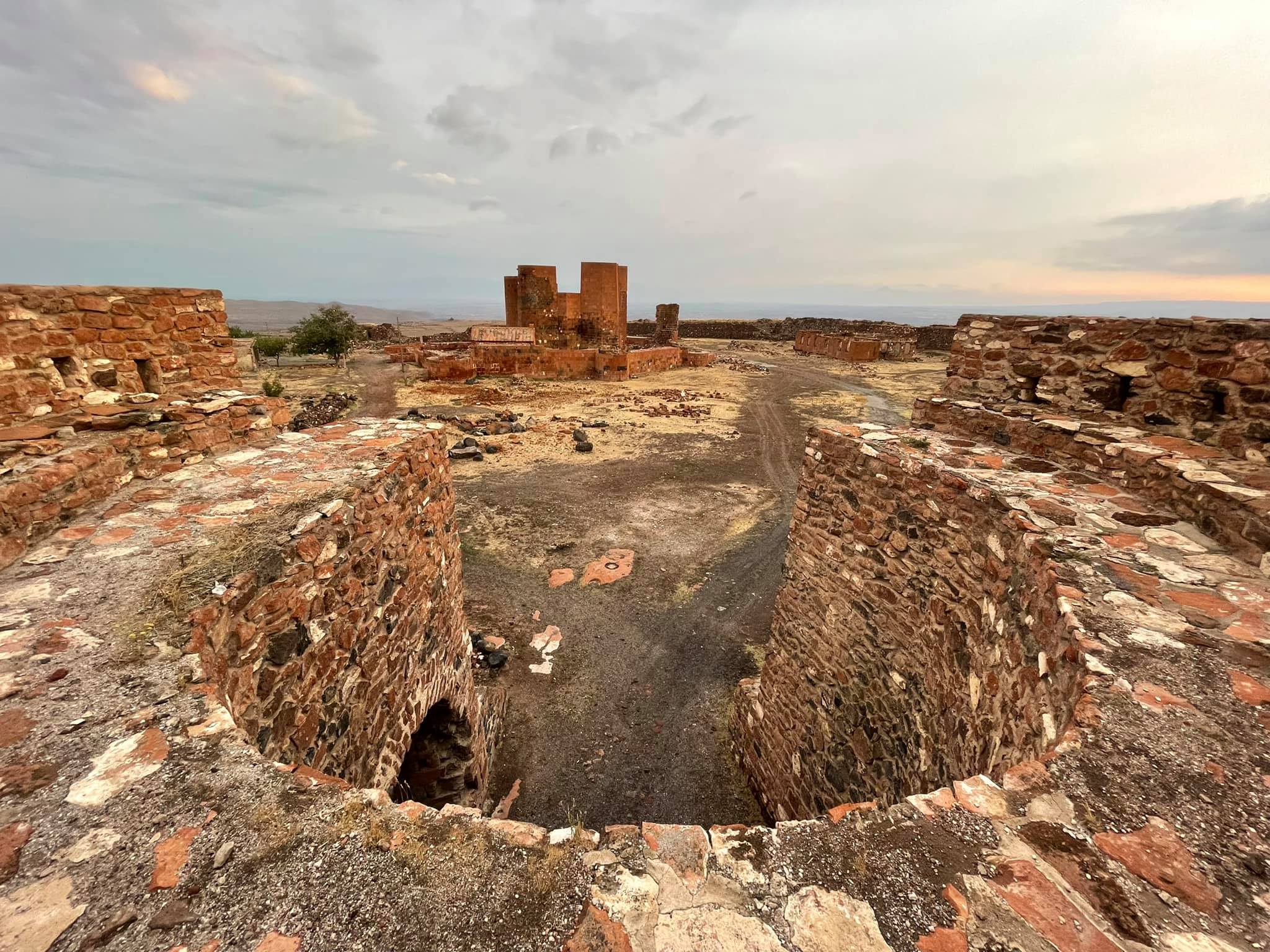
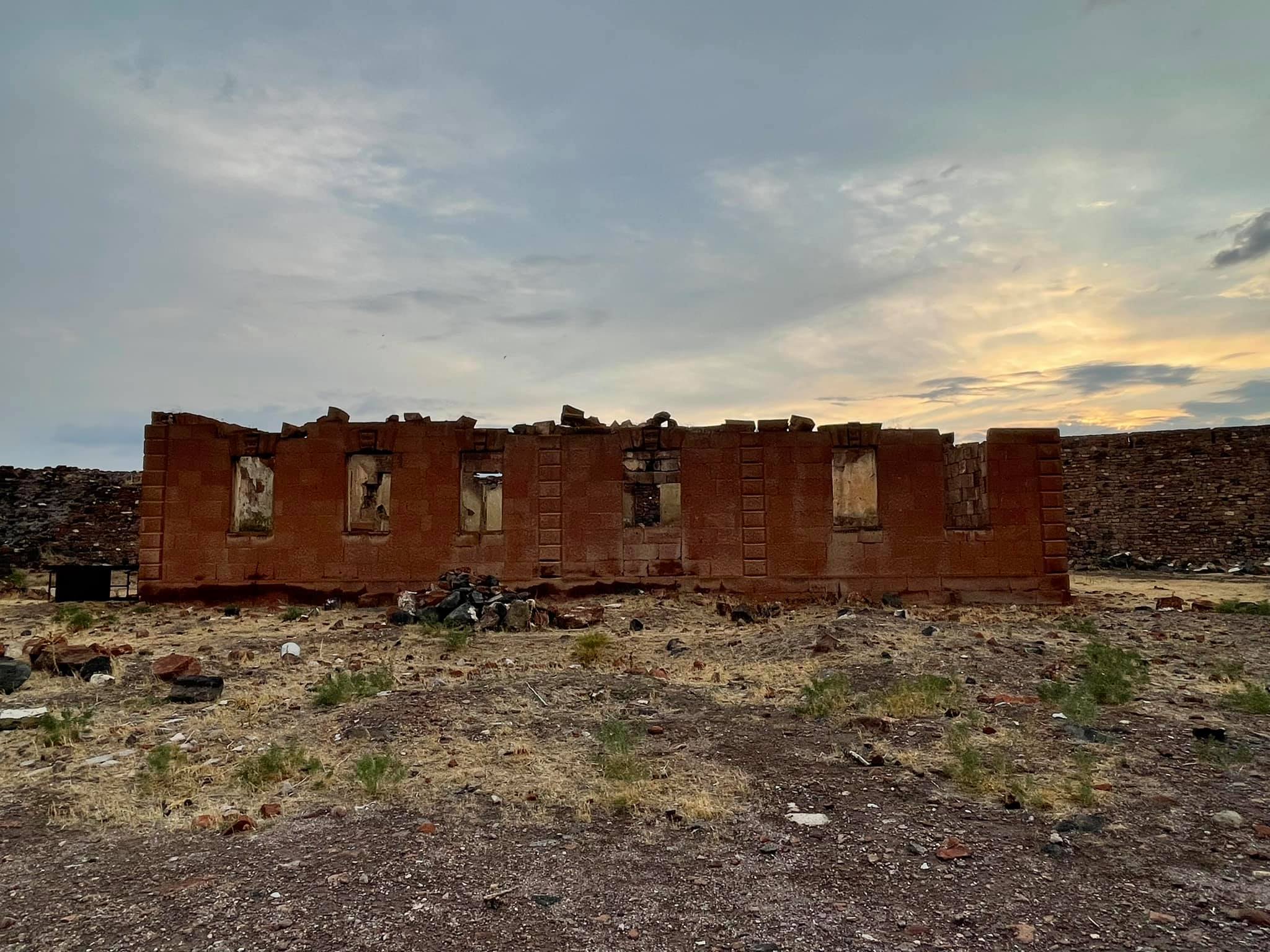
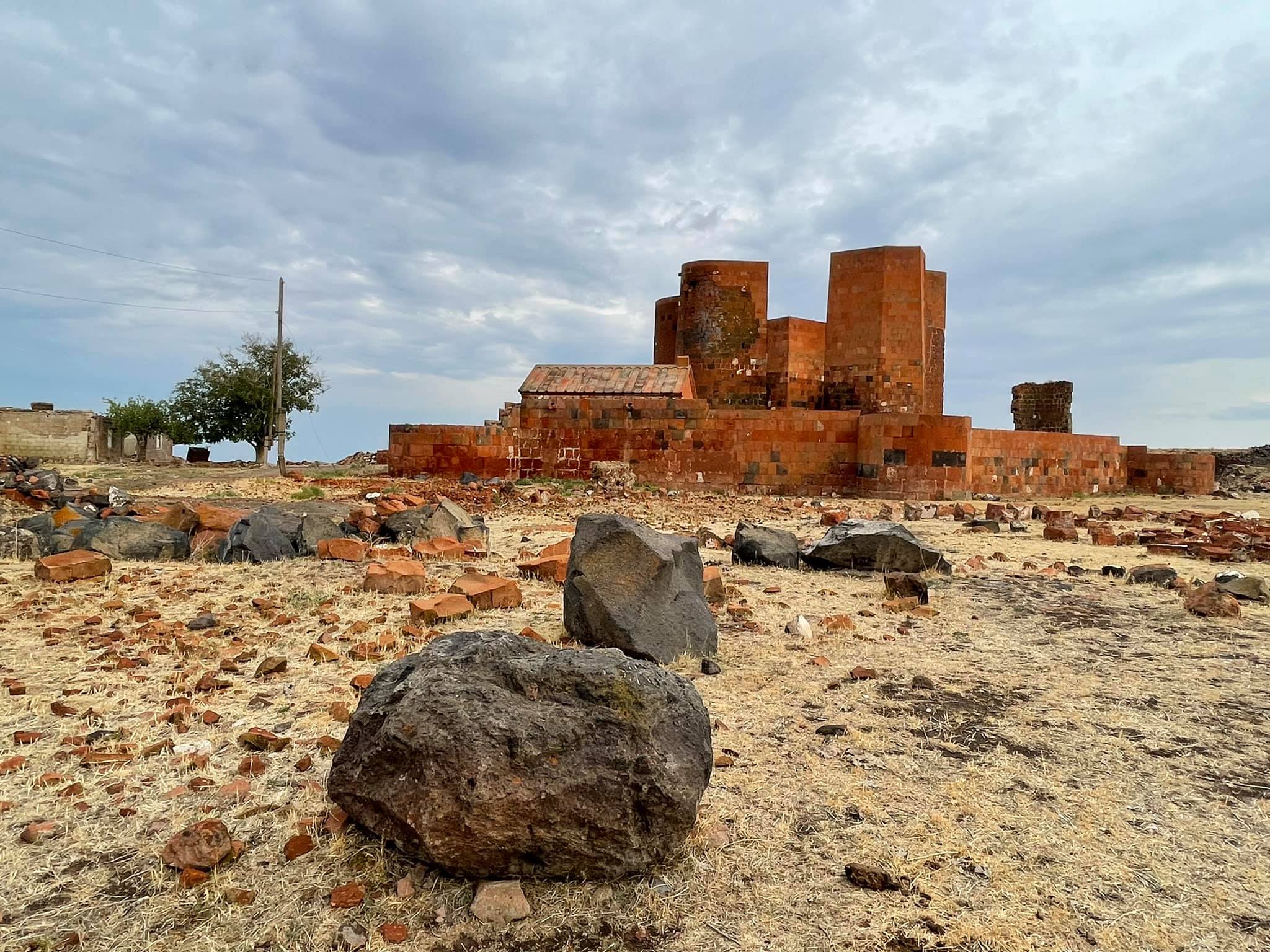
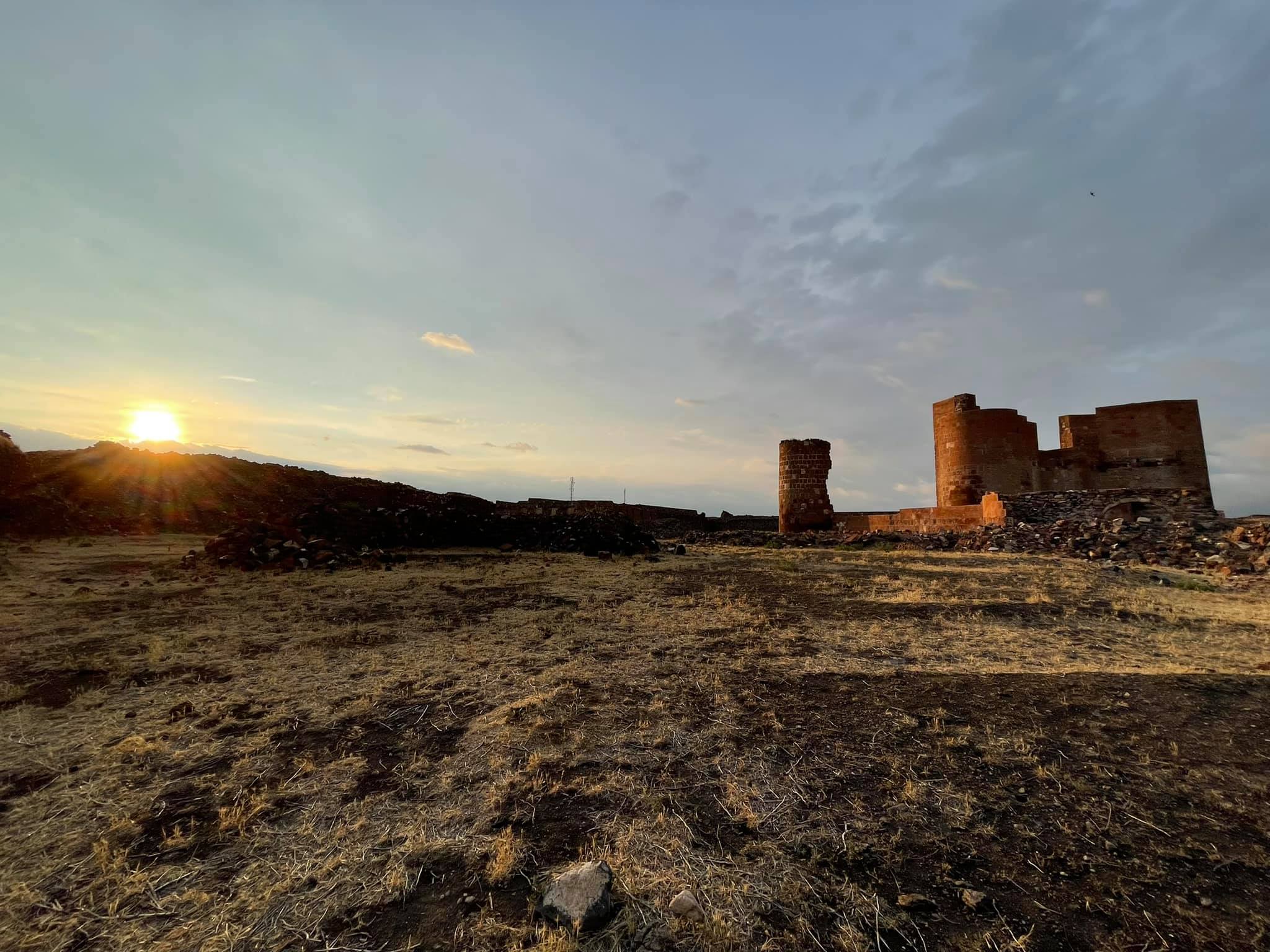
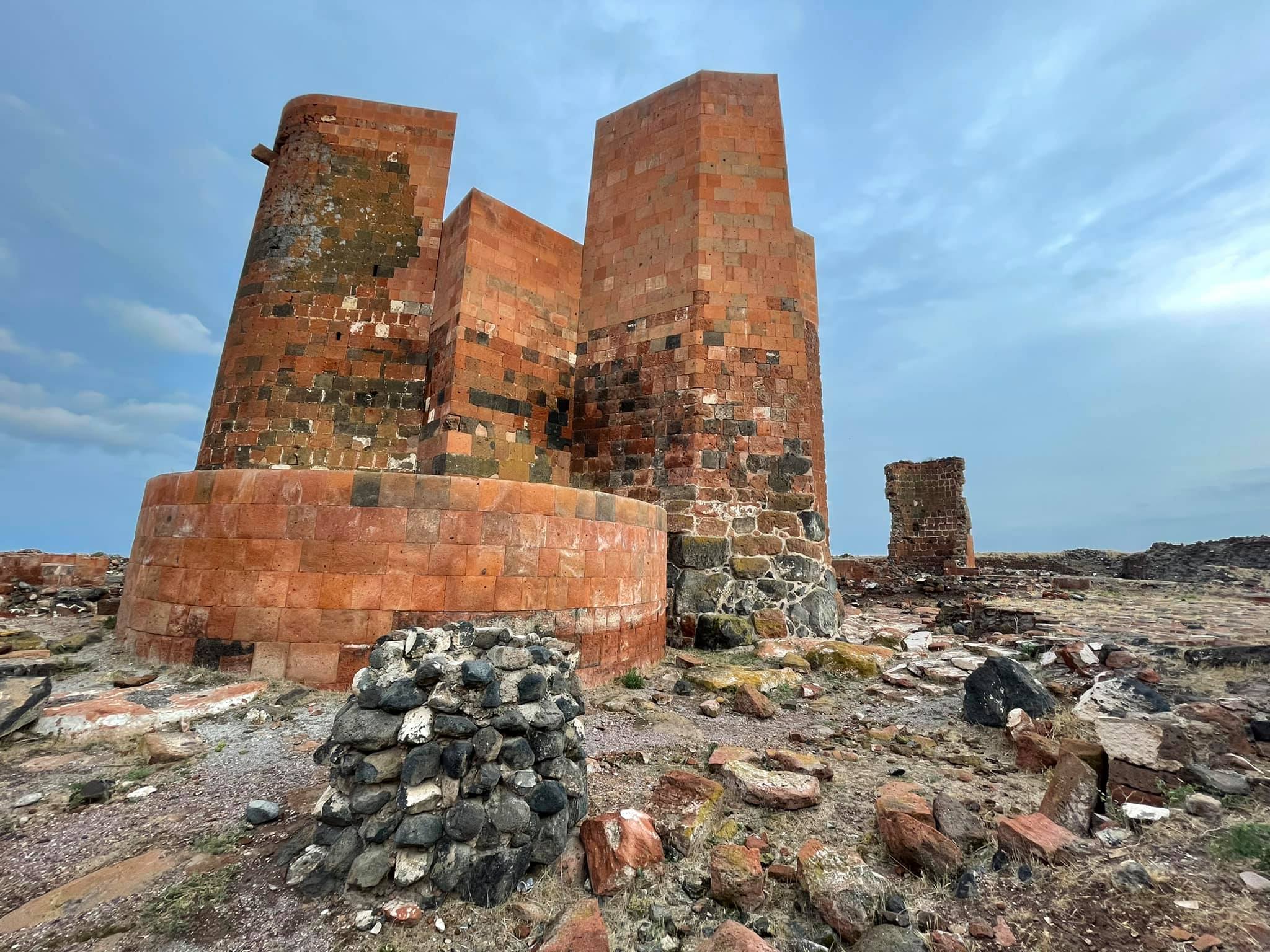
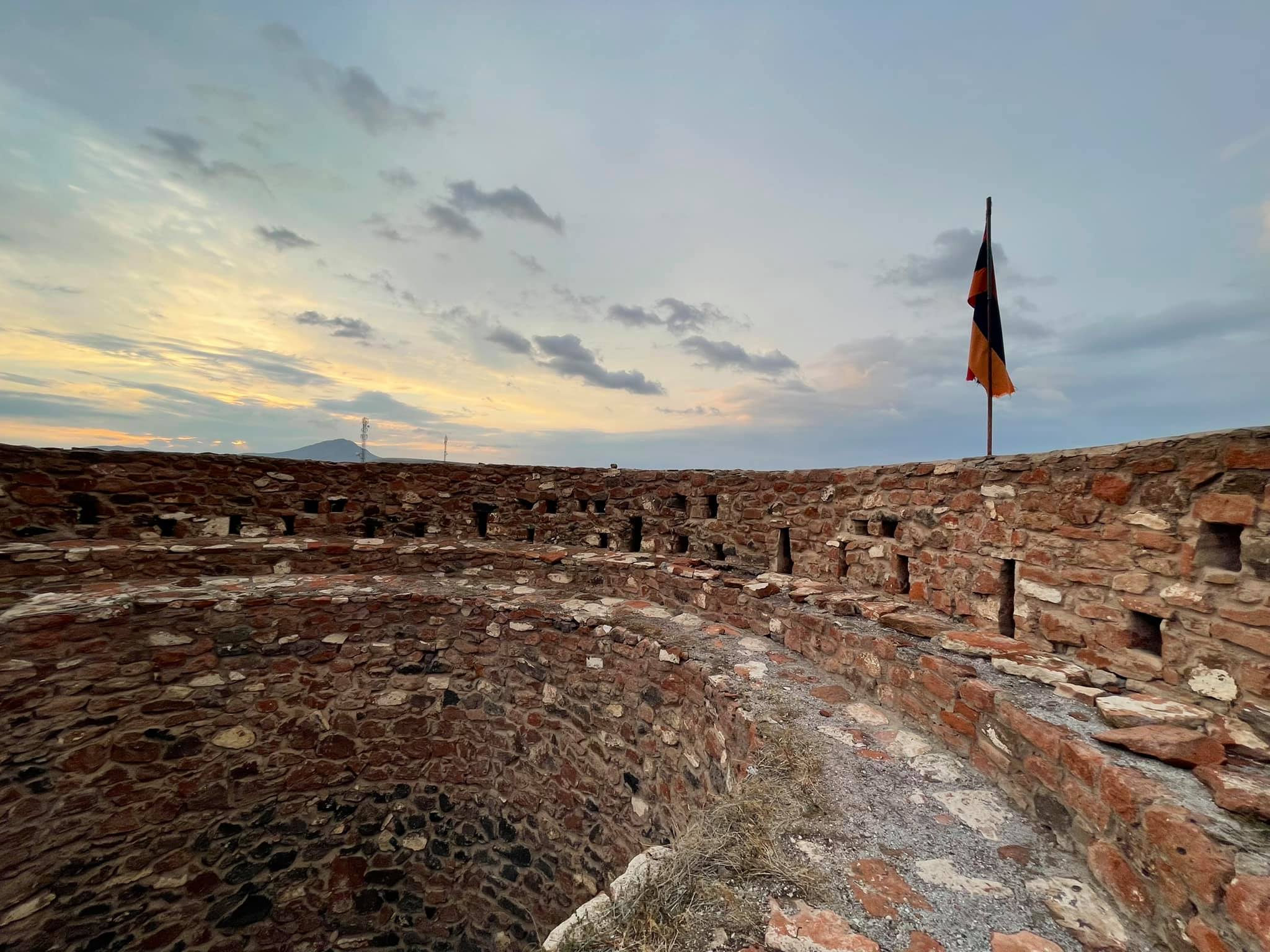
Photo Credits: © Aram Hakobyan